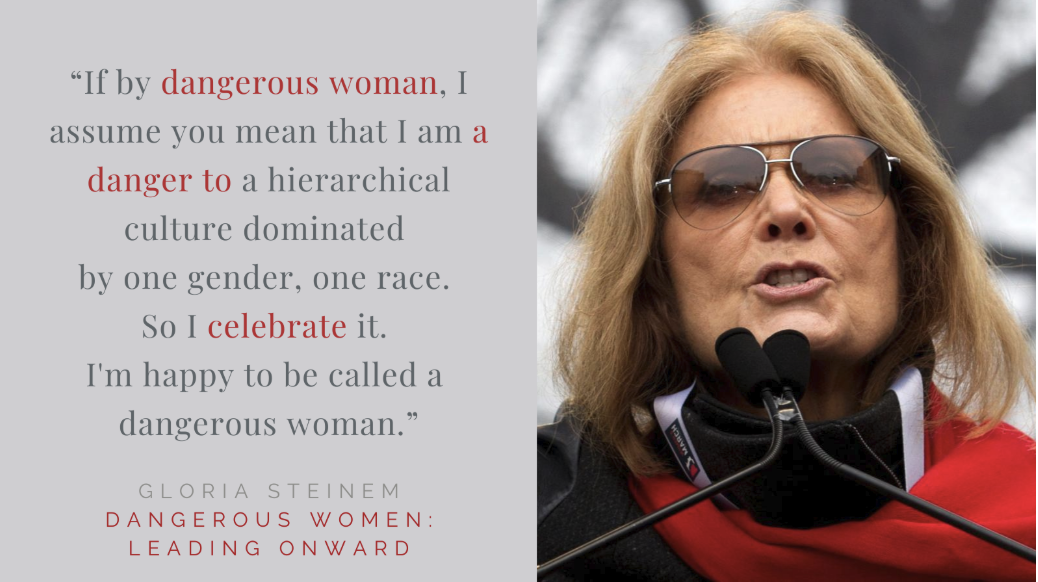
The Power of One Bold Vision: What Tzeporah Berman Shows Us After COP30

Dear Friends,

In the days since COP30, I’ve heard, and shared myself, many of the critiques and disappointments about the final outcomes of another global conference failing to implement a roadmap to a climate safe world for everyone. We made some progress, but not enough because such a roadmap, we know from the science, must include an agreement from all countries on plans to phase-out fossil fuels and shift to other sources of energy. At a time when the number of people who are dying from air pollution related causes is increasing, and the health impacts related to burning coal and the reliance on oil and gas are undeniable, it's clearly essential to keep convening the conversations and the negotiations necessary to keep hope alive and elevate the solutions and signs of real progress. Fortunately, we have the solutions. We need more brave leaders willing to stand up against the powerful fossil fuel industry’s lies and lobbyists, to make the case that we can transition to other sources of energy and must do so to have a livable future on this planet.

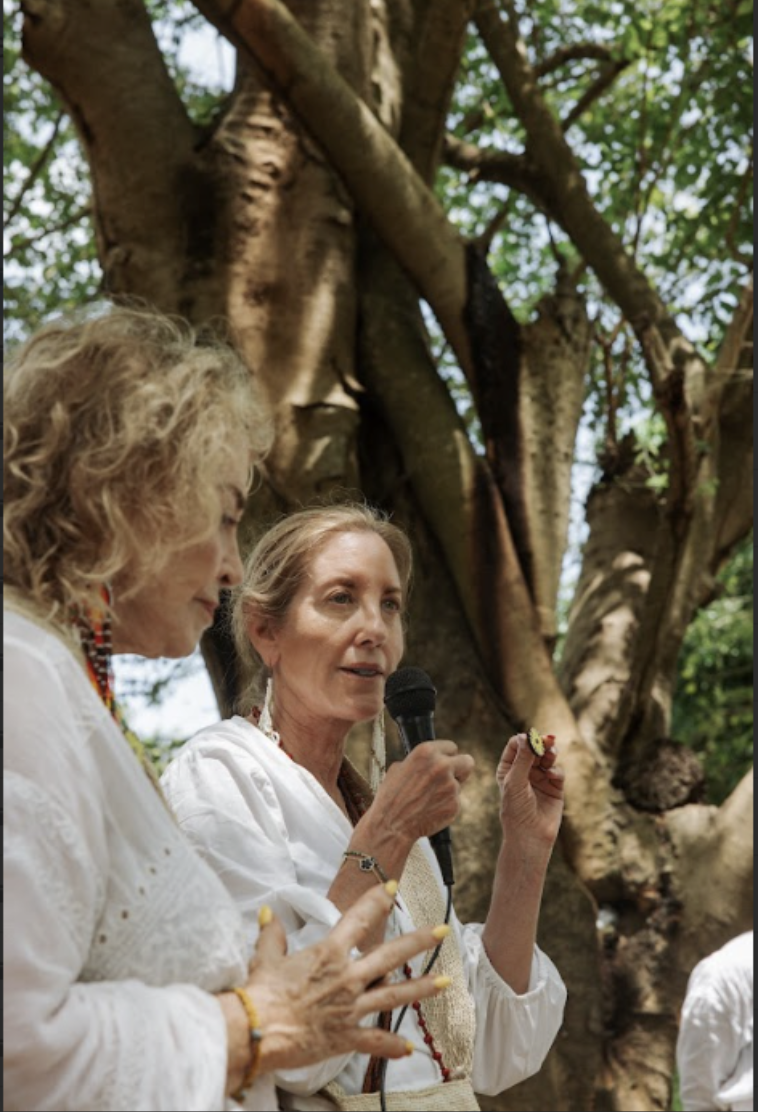
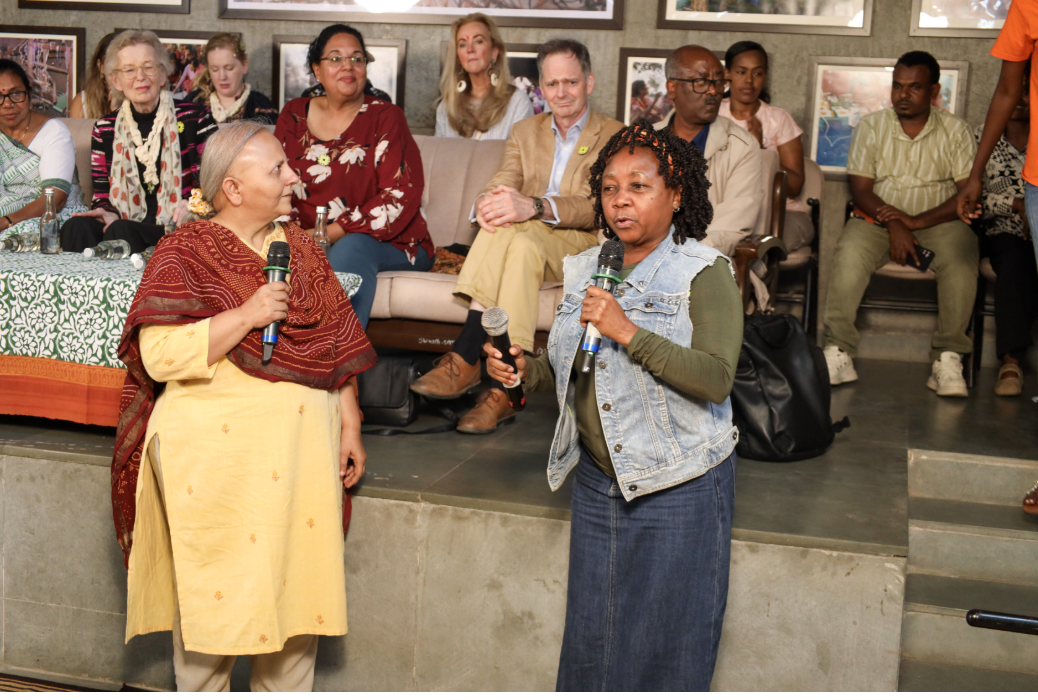
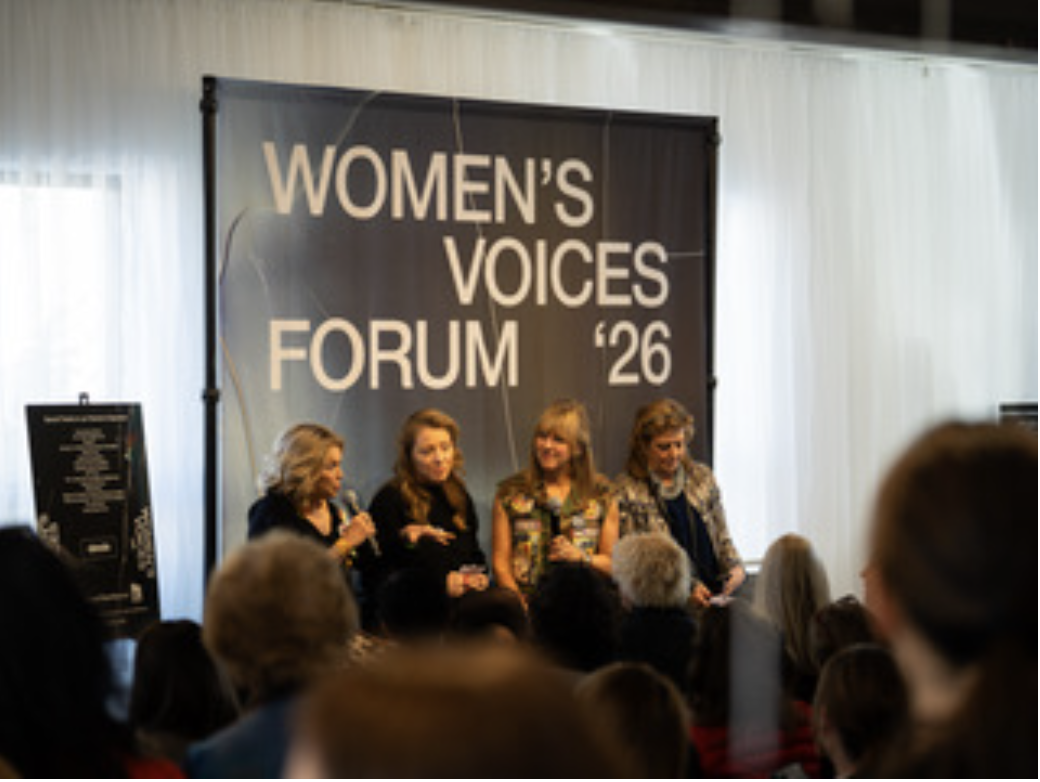
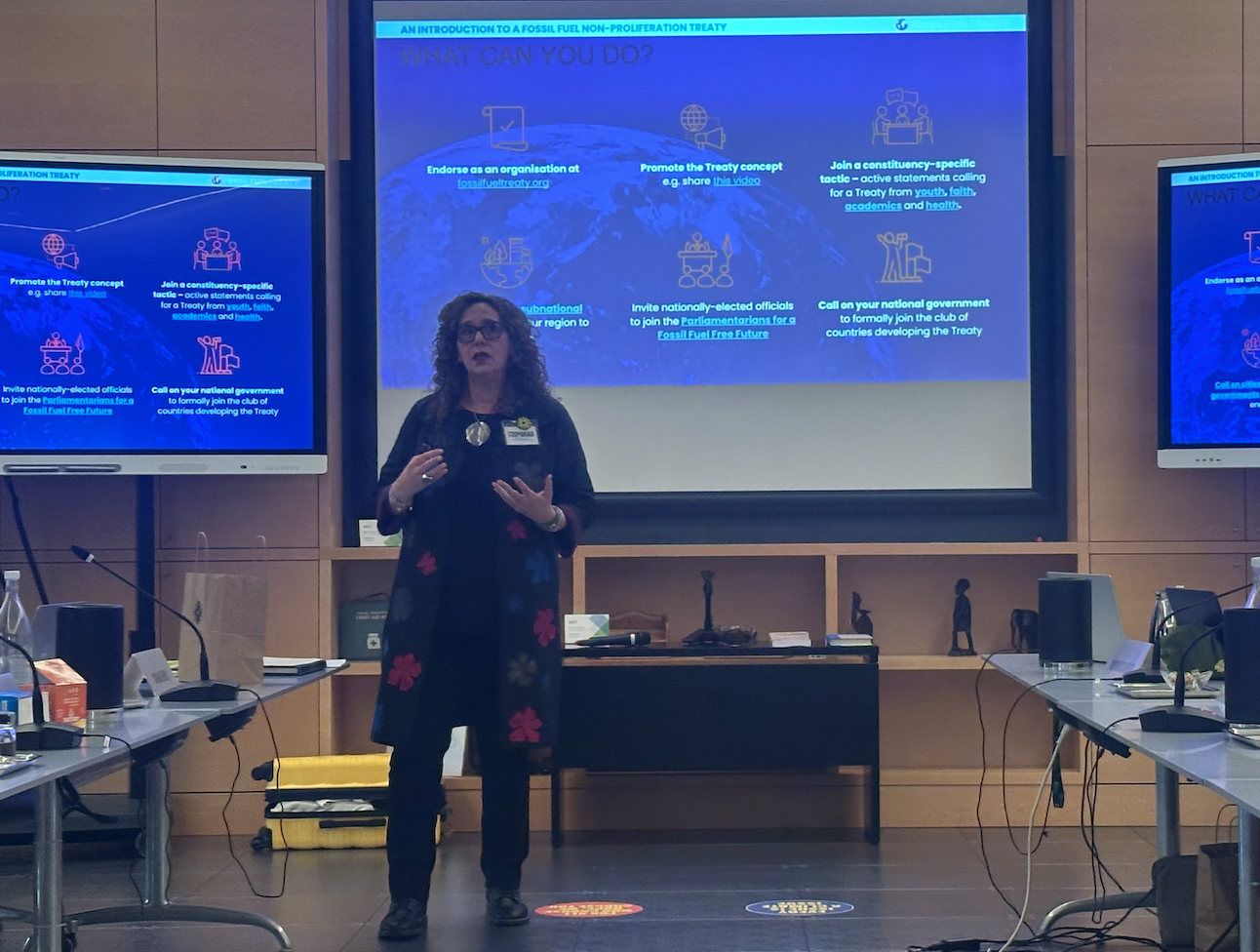
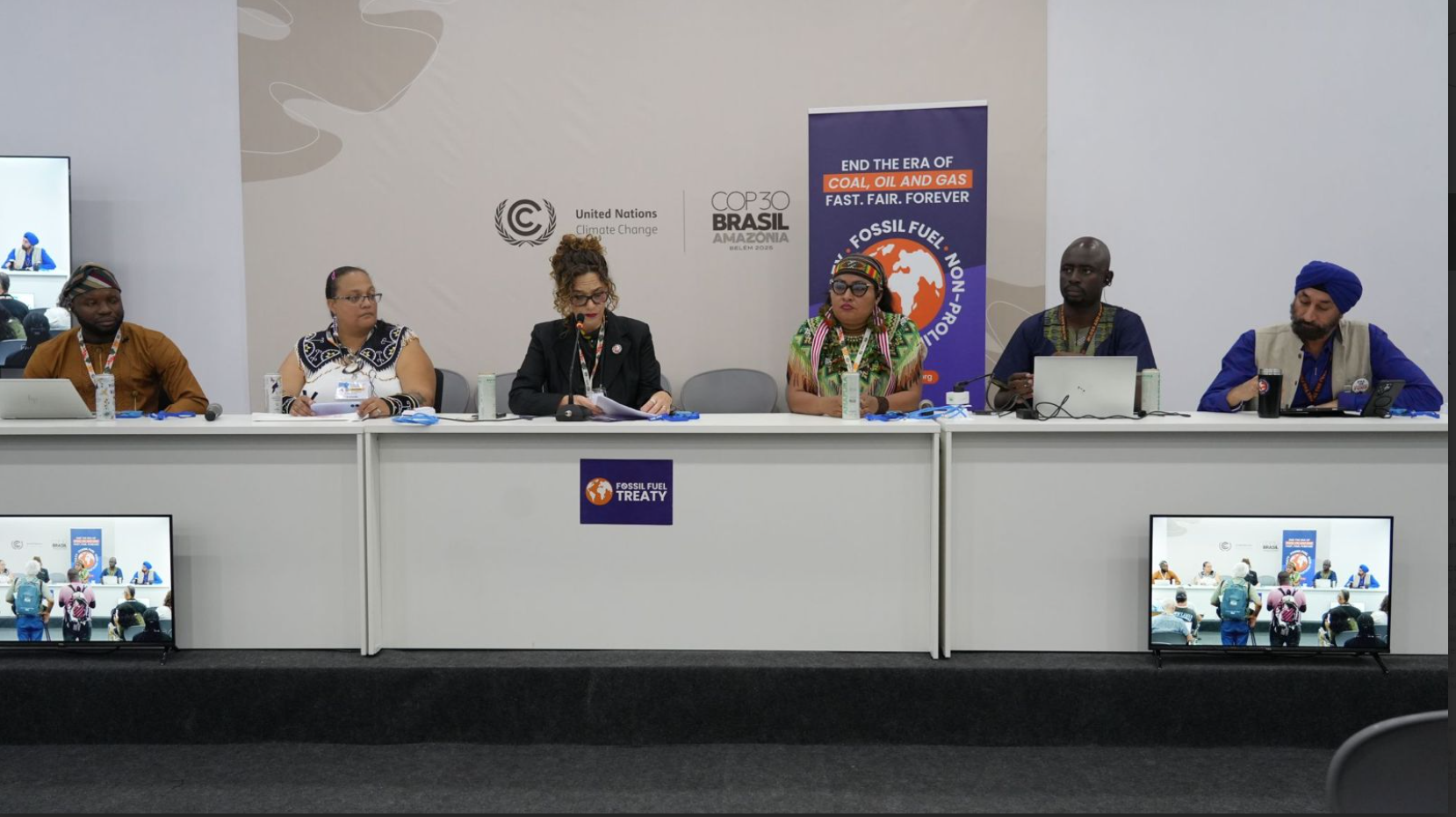
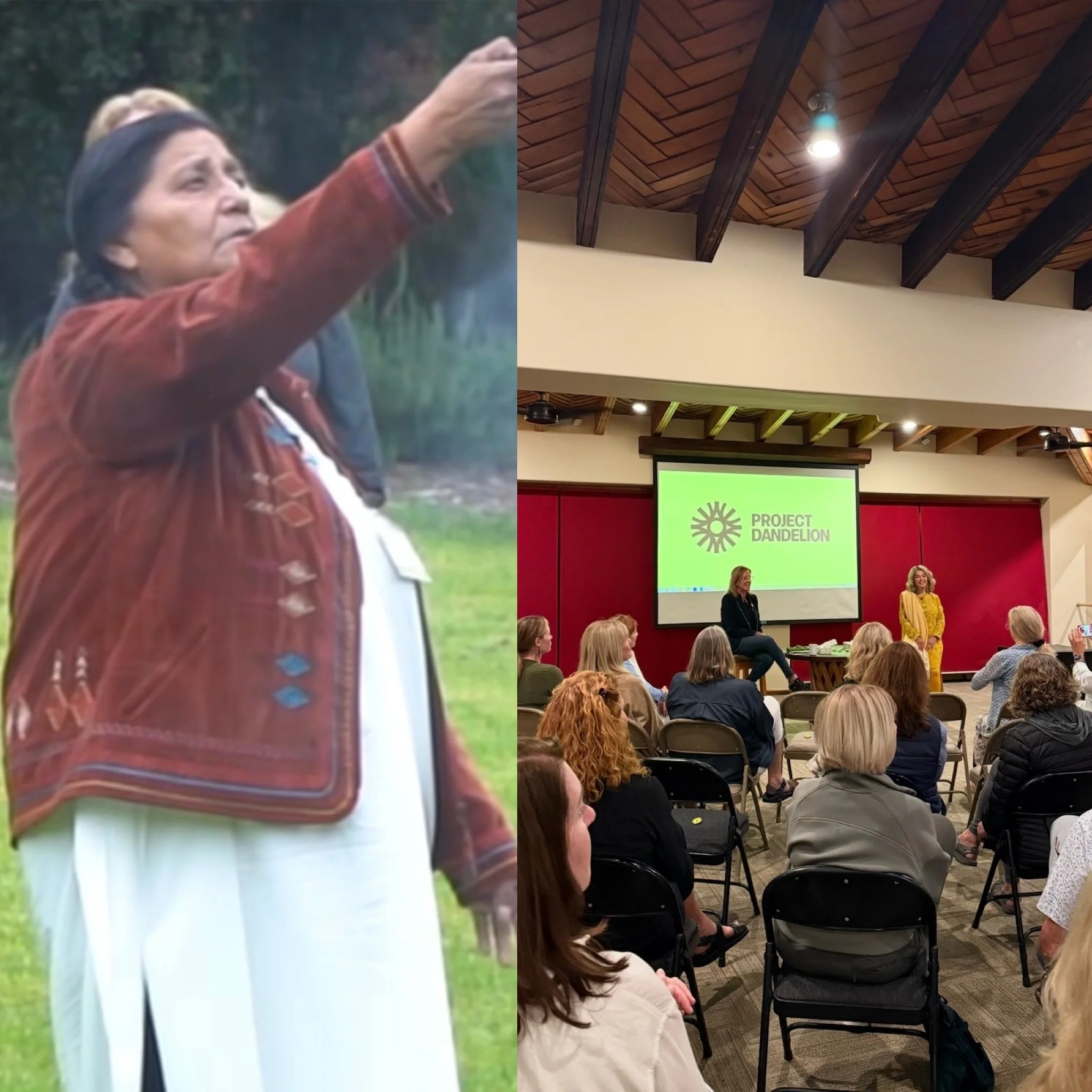
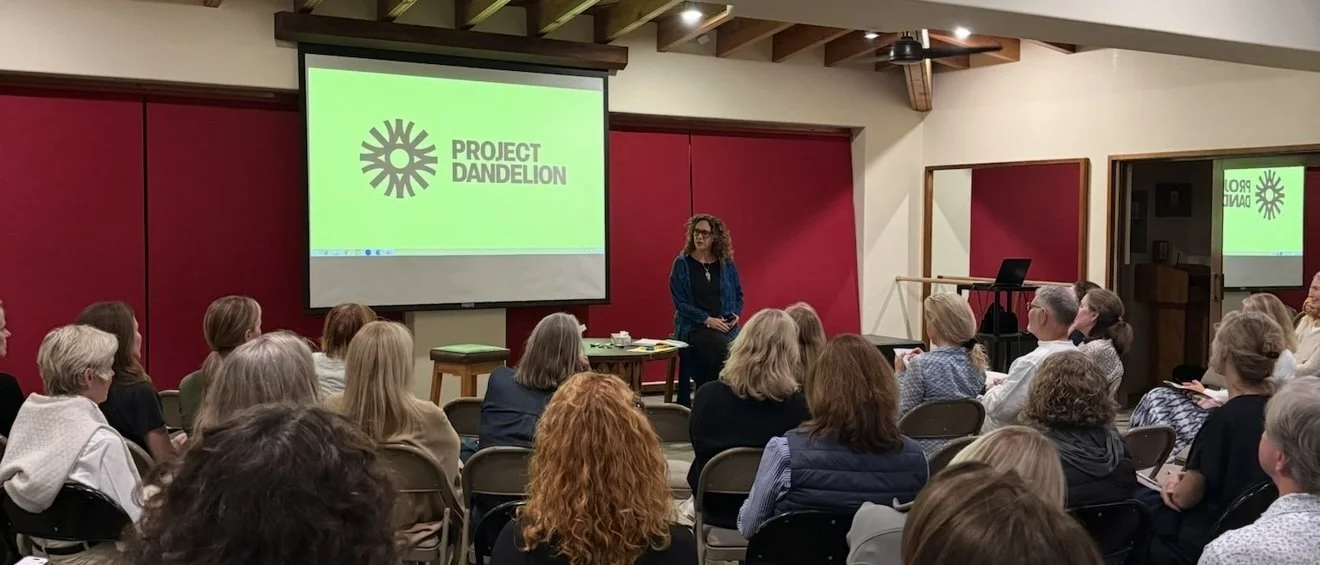
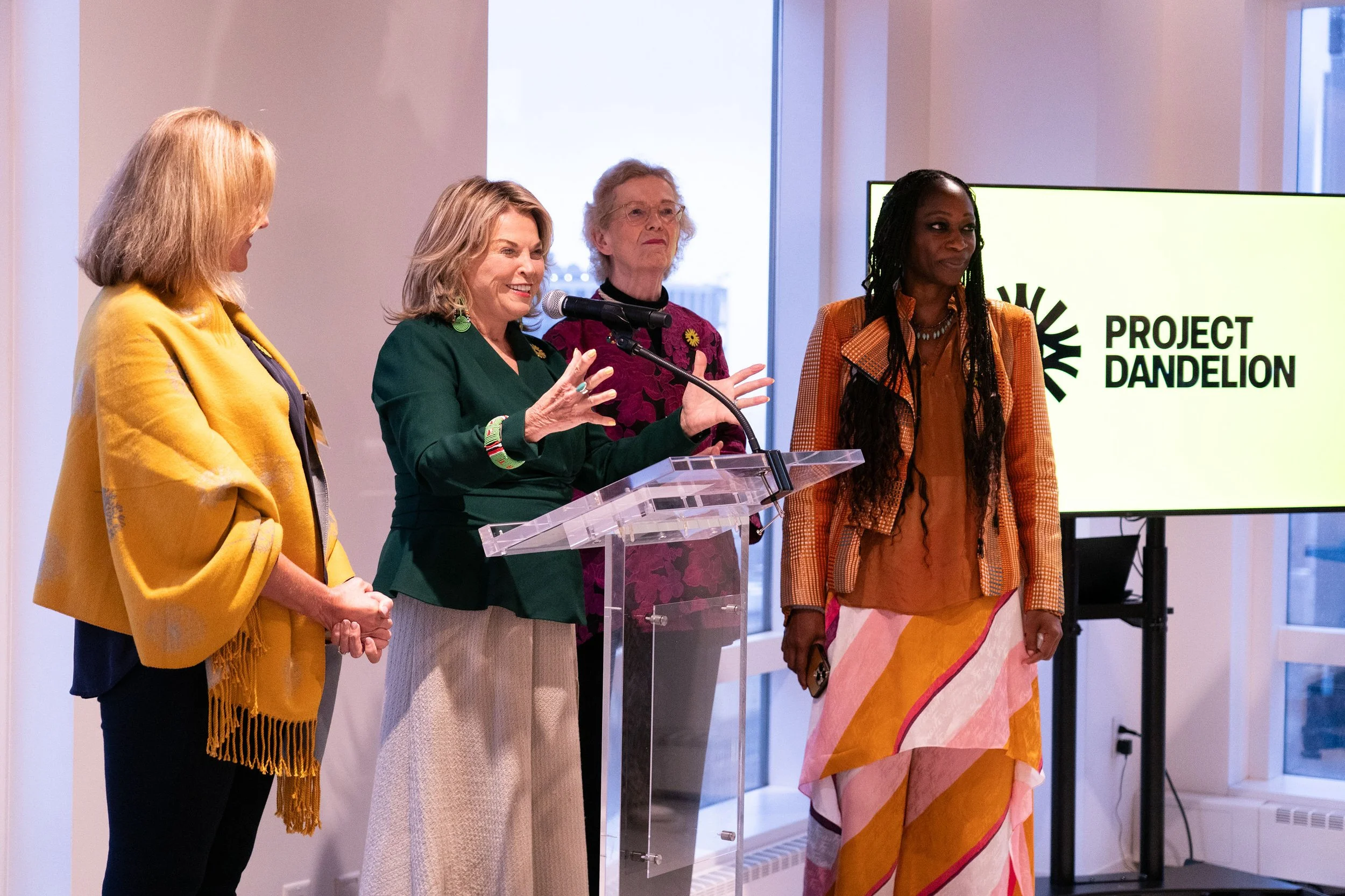
Tzeporah Berman presenting at Project Dandelion’s Bellagio forum this past March.

One brave leader has been traveling country to country, making this case for the last five years. Tzeporah Berman who launched the Fossil Fuel Non-Proliferation Treaty Initiative. I’ve had the privilege of witnessing Tzeporah’s commitment and passion which may have begun as what some described as ‘a fringe idea’, considered ‘out of reach’ by many, but which has become a rapidly growing alliance of nations who have signed the treaty and are charting a real, workable roadmap for a transition beyond fossil fuels. The Initiative is exactly the kind of bold and necessary step, binding countries who sign to a framework to wind down fossil fuel production and invest in a more just and regenerative future.

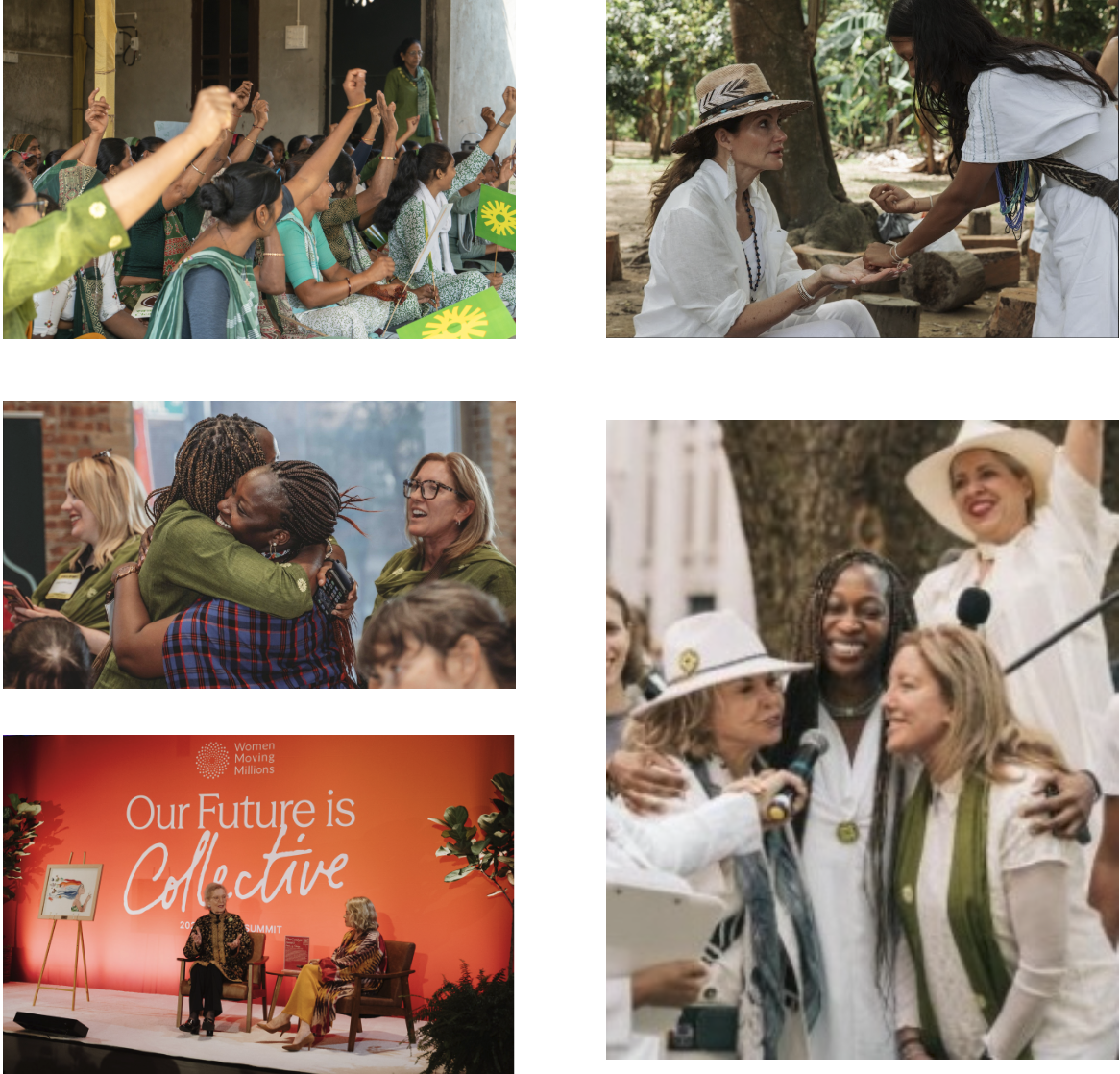
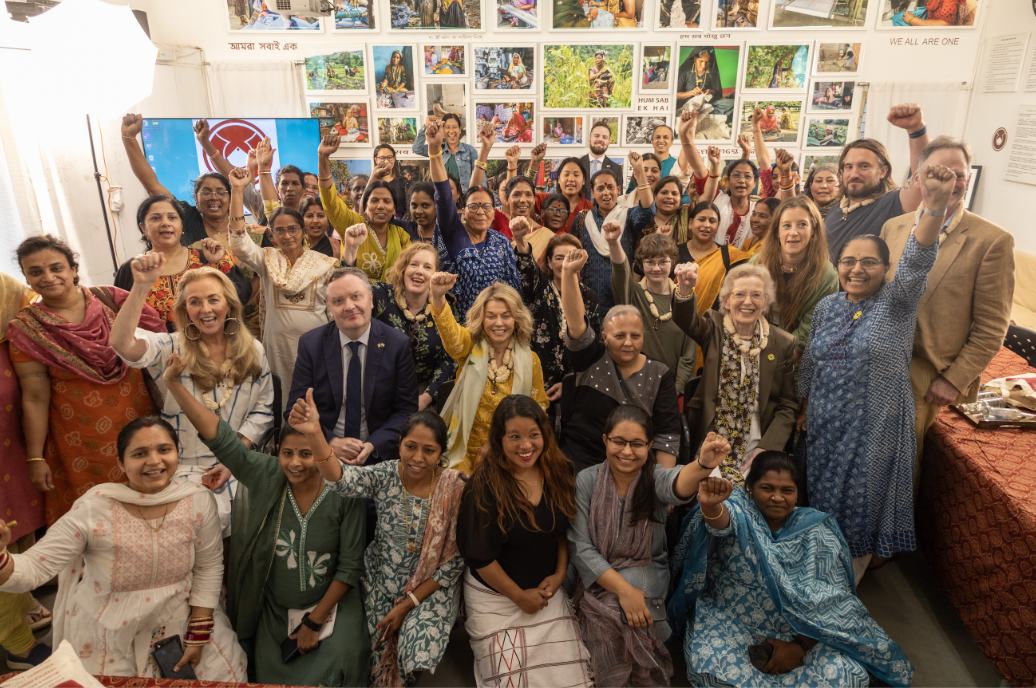
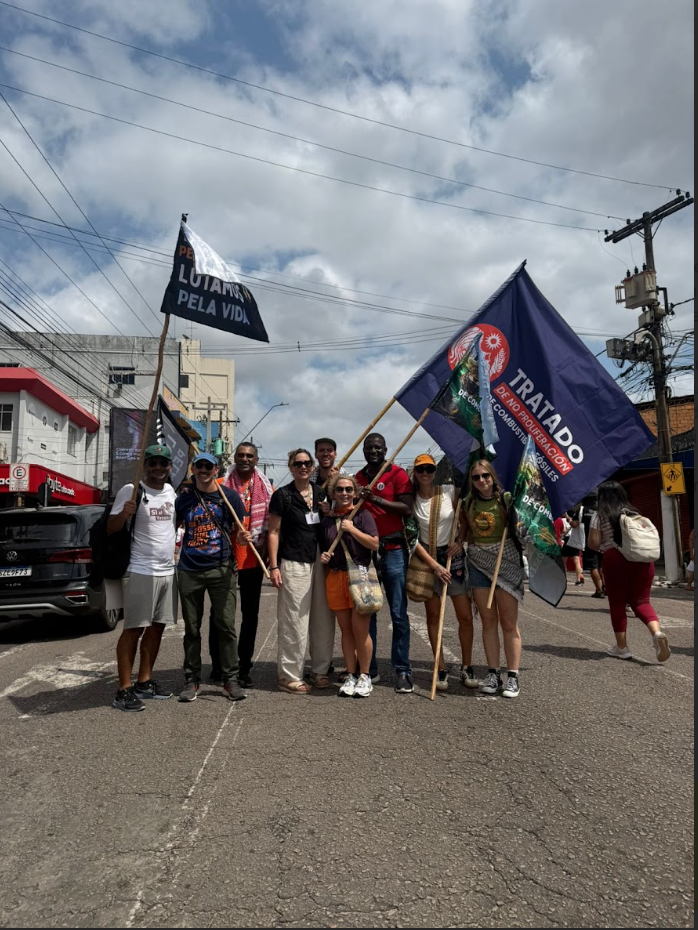
Tzeporah in the middle with her team at a march during COP30.

At COP30, their work gained remarkable traction. More than 80 additional countries signaled support for a global plan to phase out fossil fuels—an unmistakable sign that this movement is accelerating. And although the final COP outcome fell short of explicit commitments, something historic did happen: for the first time, the COP presidency formally acknowledged that international cooperation on the phase-out of fossil fuels must move forward in parallel with, and complementary to, the Paris Agreement. That acknowledgment matters. It opens political and diplomatic space that did not exist before.

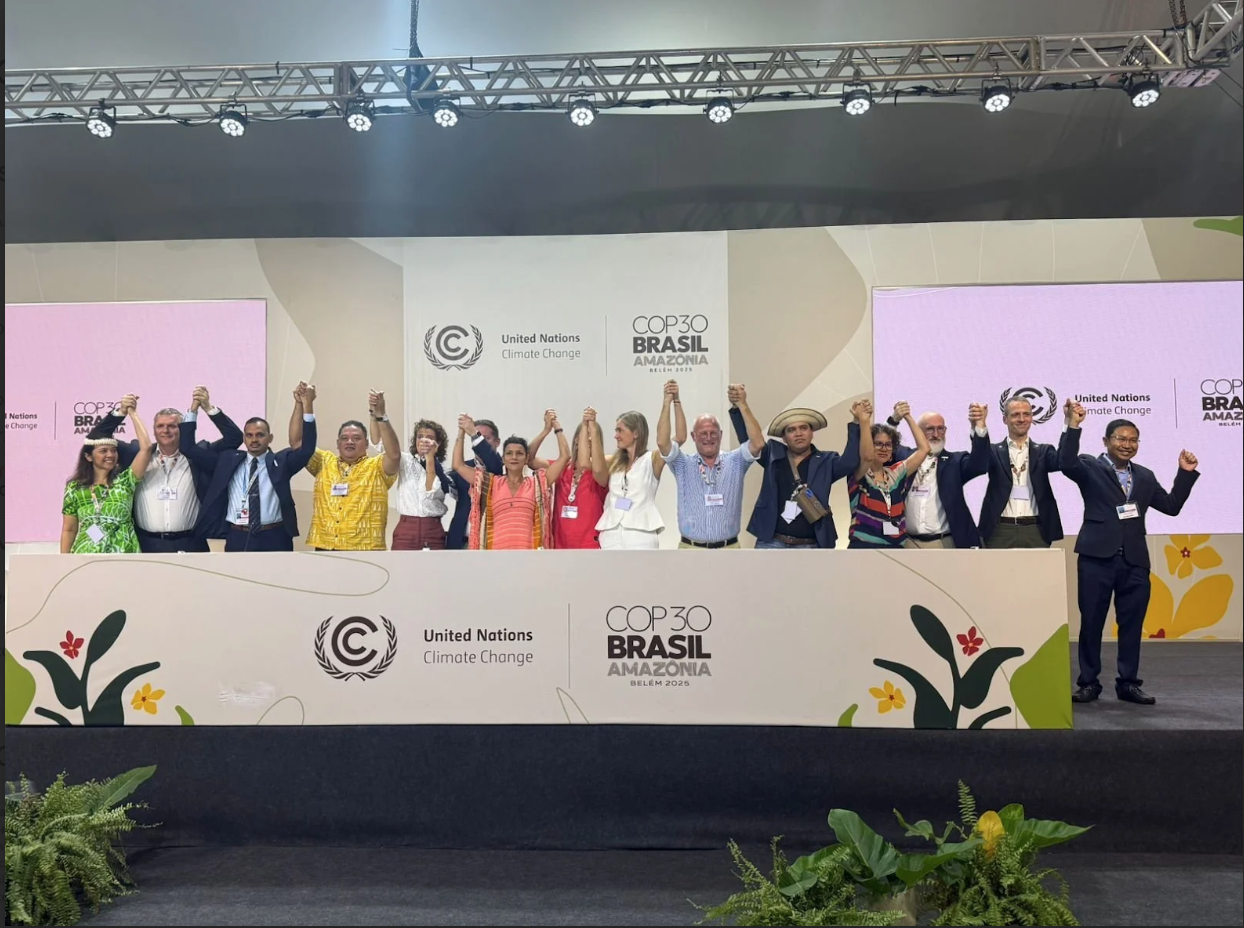
Leaders and officials from Columbia and the Netherlands celebrating the announcement.

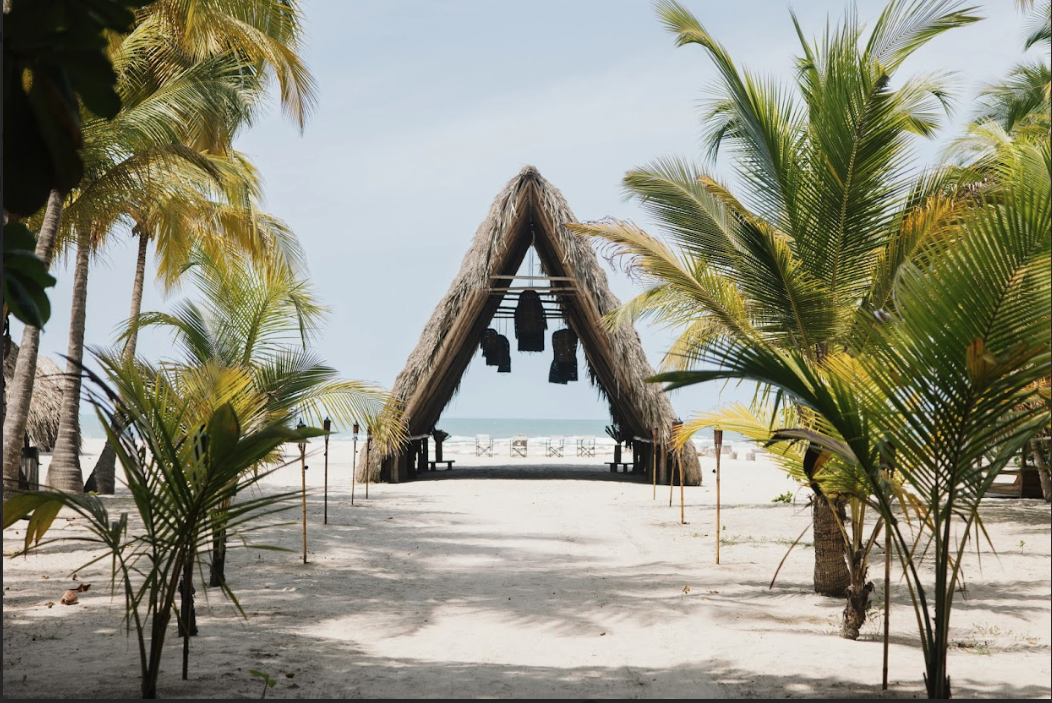
There was another historic and important development in one of the final days of COP30: Colombia and the Netherlands announced they will co-host the first-ever international conference to phase out fossil fuels on April 28–29, 2026 in Santa Marta, Colombia. The choice of Santa Marta could not be more powerful. This is a major coal port in one of the world’s top five coal-producing nations. To host this conference in a place whose economy has long been tied to coal extraction sends a bold and unmistakable message: the transition must touch even the landscapes and economies built by fossil fuels. The world–or certainly the countries who have signed the treaty–are ready—finally—to end our dependency on coal, oil, and gas, and to imagine and invest in what comes next.

Pacific nations have also committed to convening a regional meeting to advance aligned objectives, continuing their long tradition of bold and courageous leadership on solving the climate crisis which threatens their very existence. 

Today, 18 nations have formally endorsed the Fossil Fuel Treaty, with Cambodia becoming the most recent to join. Each new signatory is a reminder that global courage is building, step by step. While 18 countries can’t end fossil fuel production or extraction policies at the scale needed to address the dependency—and therefore the negative impacts—everywhere, just getting to this number of presidents and prime ministers willing to commit to doing it is significant, especially given the effective lobbying and misinformation campaigns from the fossil fuel industry. This is real, measurable, progress that is driven not by bureaucratic negotiations alone, but by visionary leaders like Tzeporah, whose commitment to this single and singularly important initiative exemplifies the power of one individual with a vision of what must be done and keeps moving forward towards that goal– country by country. Along with the hope that the convening in April in Colombia will further accelerate the necessary transition, I also hold close this truth: change often begins outside the formal halls of power, seeded by those willing to imagine something better and then work relentlessly to make it so. 

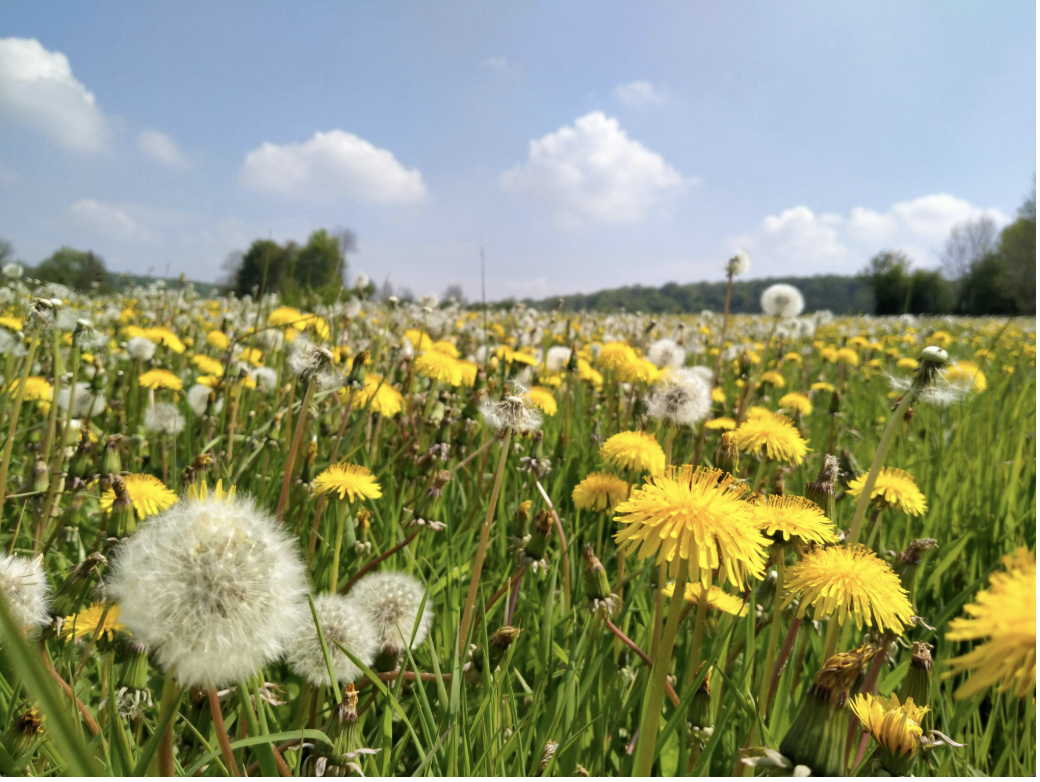
Tzeporah Berman is such a visionary leader. You can watch her TED talk to see her in action. She is, like the Dandelion, resilient and unstoppable, seeding the actions that will move the world forward from reliance on the fossil fuels that are killing us towards the clean and renewable sources of energy that promise a cleaner, healthier and restorative future. You can also get involved by following the Treaty’s progress on HERE. 


Onward!

- Pat

What we are really celebrating: The soil, the stewards, and the season

Dear friends,

Thanksgiving is my favorite holiday–for many reasons, but primarily because It’s about gratitude and not gift giving.  The ‘gift’ of thanksgiving is the ritual of sharing a meal with family and friends, a meal that is often followed by comments like “I ate too much” or “I feel as stuffed as the turkey!”

For millions, however, right here in the so-called “land of plenty”, the complaints will be not enough to eat, this day or any other. Food insecurity is real and present in nearly every community now. Just this month, the uncertainty that came with the delay of SNAP benefits, coupled with the rising costs of food, have pushed far too many families into uncertainty about something as basic as their next meal. 

This is a hard truth to take in on any day but especially on this day, when so much of it is centered around food, and yet, it could be the right day to reflect more deeply on the subject of food…to consider the journey every ingredient in that stuffing that fills the turkeys and our stomachs makes to get to our tables or food kitchens. Who is growing it? How and where was it harvested, transported, and made accessible in our farmers markets, supermarkets, and food banks? These questions are not abstract, they are central to our wellbeing and in more ways than may be obvious, to the future of our communities and our planet. 

Yet, the answers to the questions about the food begins with what may seem like a paradox or contradiction. With the onset of industrial farming and the introduction of fertilizers to enable large scale production of food and animals, all of which once promised abundance and enough food to meet a growing global population; but we know now the consequences of this kind of food production has been soil degradation, chemical dependency, water pollution, and the erosion of small family farms and in most cases, unhealthy food, animals and of course, less healthy consumers. There’s plenty of data to back this up, but the bottom line that I believe can no longer be ignored–Industrial agriculture is not the answer to food insecurity but is, in fact, the cause of much of it. And the good news is that recognizing this has led many farmers to turn to another way to produce food…a healthier way that is often described as regenerative agriculture.

Simply put, regenerative agriculture refers to a set of farming practices that restore soil health, increase biodiversity, improve water cycles, and strengthen the resilience of farms and communities. It moves beyond sustainability toward healing and rebuilding what has been depleted, rather than simply slowing the damage. Healthy soil grows healthier food, captures more carbon, protects against drought and flooding, and supports farmers in creating long-term stability for their families and their land. It’s starting to become more widely understood to be one of the main solutions not only to a food systems crisis but also to solving the nature and climate crisis. 

Regenerative agriculture is not new, of course, it’s more about remembering and reclaiming the ways growing food in a more ecologically sound process, in right relationship with the earth’s resources and cycles of nature rather than artificial (and toxic) processes- and there is a movement happening on every continent to make the connections real again between healthy soil and healthy food.

This is the right relationship with the earth that has been and continues to be central for the indigenous communities everywhere. So instead of watching football or old movies as a Thanksgiving ritual, consider a new one, and watch the Oxygen Project’s Watch Originarias a youtube series that amplifies the voices of women who cook as an act of sovereignty, heal through biodiversity, lead innovation, guard collective memory, and live in relationship with the cycles of the earth.

Learn more about The Oxygen Project

Follow us on Instagram


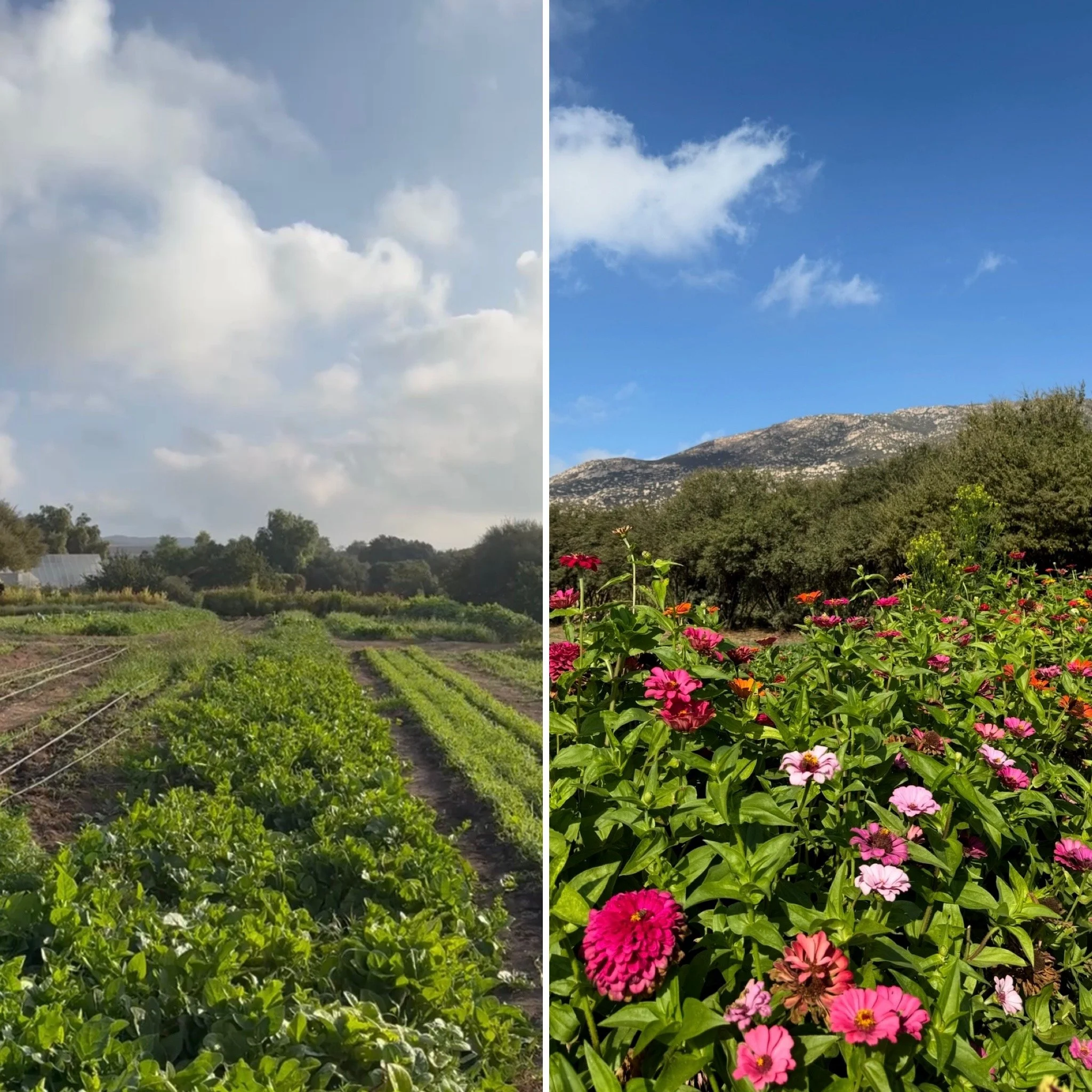
I also want to shine a light on three extraordinary women farmers who are doing the hard, hopeful work of reclaiming land and practicing regenerative farming in the US. In fact, one lives and farms right in my city. 

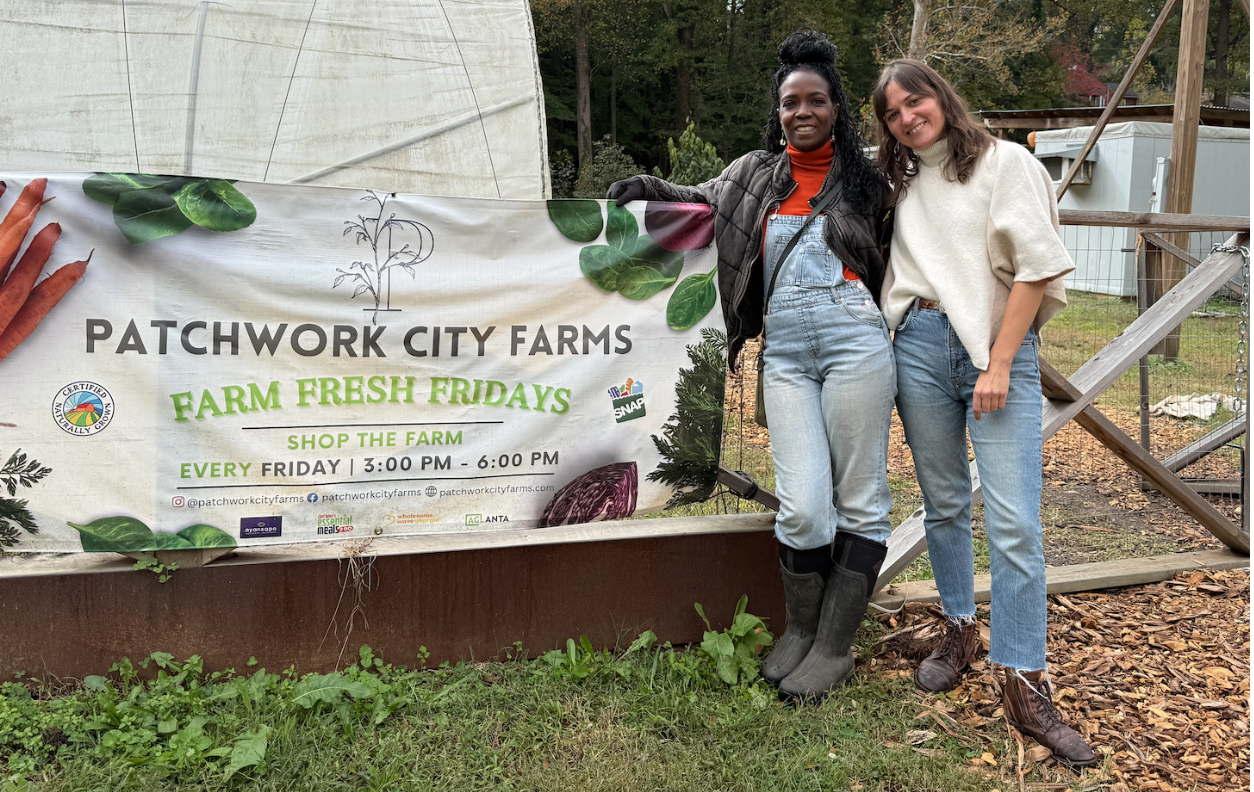
Jamila Norman- Jamila’s vision of regenerative agriculture really started in her own backyard with an acre in her neighborhood, and over the years since she took up farming, after a career in city government, she has patched together other acres and other areas right in the middle of Atlanta. That’s why she calls it Patchwork City farms. On my visit I was stunned by how much you can grow on what is considered a relatively small space. She has innovated her forms of planting to adjust to Atlanta’s hot summers and increasingly wet falls and winters, and she grows nearly everything–from every kind of vegetable to fruit trees and herbs. No fertilizer. Just compost from other people’s food waste. She also opens once a week to the neighborhood for a farmers market, as well as selling the produce at other local farmers markets. Jamila has become quite well known as Farmer J from her streaming series HomeGrown with the Magnolia Network, and she is a founding member of South West Atlanta Growers Cooperative, an organization that she says “exists to strengthen Atlanta’s Black farmers and to create a transformative, environmentally and culturally responsible Atlanta food system that contributes to a robust and equitable high quality of life for its farmers and communities,”. I am grateful the dedication and courage of  a young Black woman taking up the challenge to become a healthy source of food for her community.

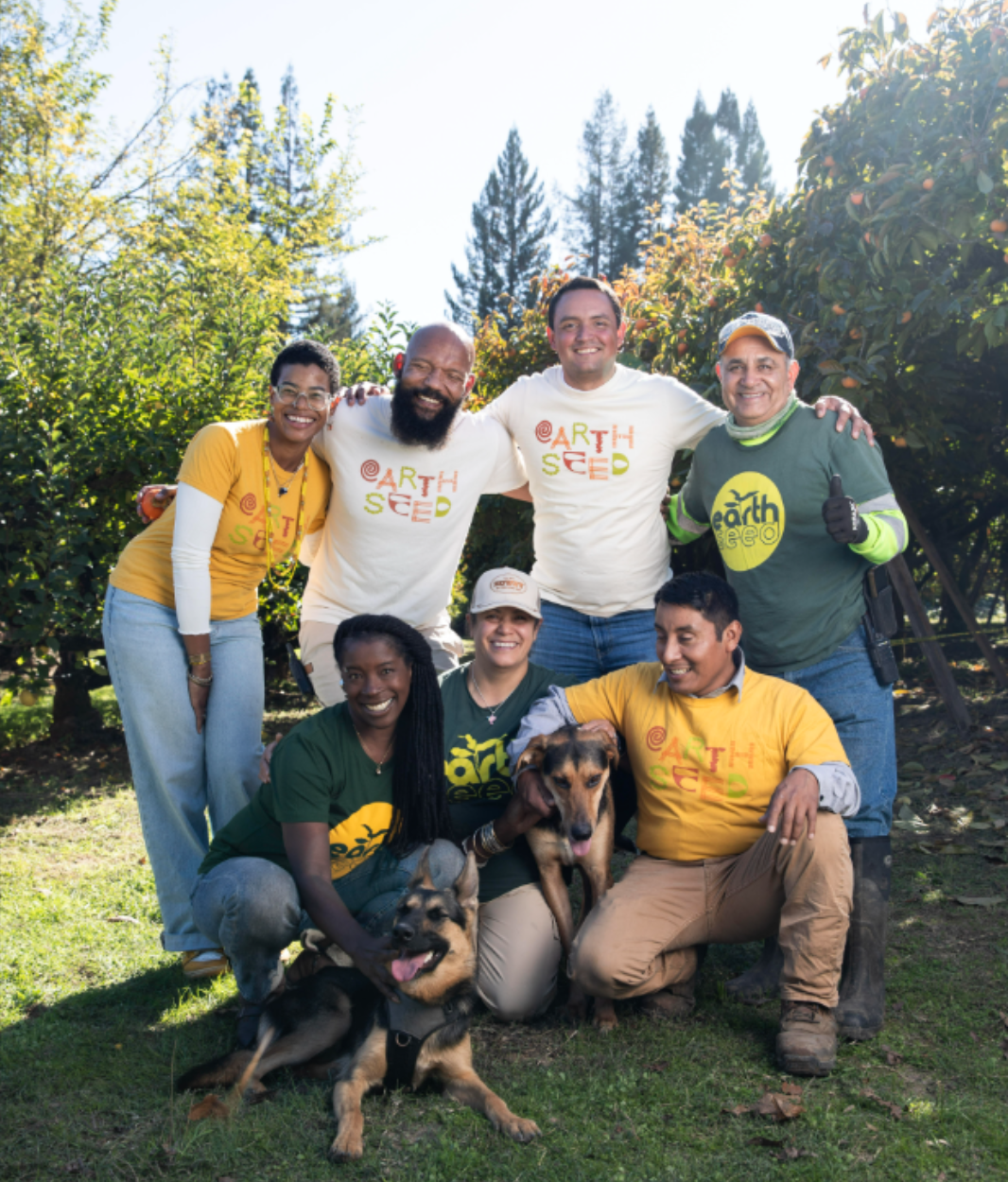
Pandora Thomas- At Pandora’s Earthseed Farm, growth is rooted not only in the soil but in a deep commitment to community, culture, and collective wellbeing. This season, Earthseed launched its Community Nourishment Program, delivering fresh, organic fruit at low-to-no cost to organizations serving communities from Sonoma to San Francisco. Their beloved Back to Our Roots program continues to flourish as well, engaging hundreds of young people in land-based learning grounded in Afro-Indigenous ecological teachings. With renewed support from funders and a key award from the CDFA, Earthseed is expanding access for youth while also deepening its commitment to climate resilience through major upgrades to its solar power and battery systems and a nearly fully electric fleet. And as Earthseed’s residencies continue to offer restorative space for Black artists, activists, and caregivers, the farm is growing into an even more powerful model of what regenerative, community-led stewardship can look like when care, creativity, and justice are at the center.

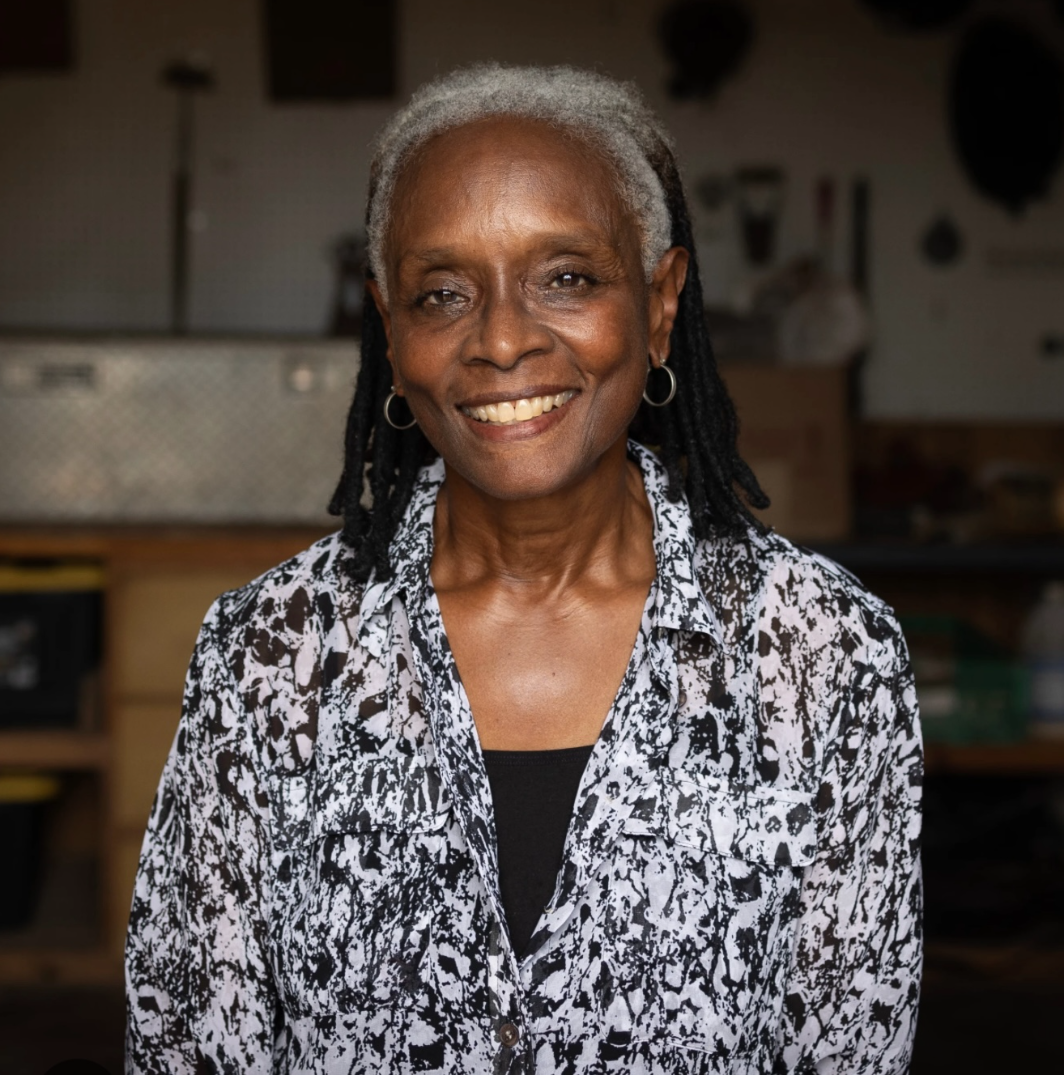
Konda Mason- Konda Mason, the visionary founder of Jubilee Justice, is advancing the SRI (System of Rice Intensification) method of rice growing. It is an approach that must be innovated and adapted to each unique landscape. This regenerative technique is proving transformative, using 25–50% less water than conventional flooded paddies. At a time when rice remains a staple for billions, Konda’s work offers not just a breakthrough in agriculture but a powerful opportunity for global water conservation. Even the rice mill on her Louisiana farm is solar-powered, a reminder that she builds solutions aligned with both the planet and people. As she puts it, their Rice Project “sits perfectly at the intersection of economic justice and climate justice,” addressing two of our most urgent challenges with ingenuity and heart. She markets this extraordinary harvest as Jubilee Justice Rice, a name deeply tied to the story of the land itself. Konda now lives on what was once a Southern plantation where enslaved people were forced to farm the land. The irony, and the quiet poetry, of her tending this soil toward restorative justice is felt by everyone who visits. Alongside the rice, she’s cultivating a strain of wheat, already imagining it folded into homemade tacos for a café she plans to open on her property in Alexandria. I, for one, hope to be there when it opens, to taste the delicious results of her vision, courage, and creativity in a region long burdened by the impacts of climate disruption and fossil-fuel injustice.


Knowing that there are these three women pursuing what many see as the single most effective and timely solution to the climate crisis as well as addressing the food insecurity crisis, may encourage some of us to find our plot of land..a garden in backyard, or shared in a neighborhood or a rooftop. For all of us, there are other ways we can honor the hands of the people who grow our food. We can pay close attention as consumers to the food we buy—where was it grown, and if possible, to know by whom. Individual farmers or collectives or big industrial agriculture companies? What was the journey from farm to table? How much energy was used in that transport? These are questions worth asking because each purchase is a conscious decision to participate in the solution and to choose a healthier option as well.

As the biggest consumer day in the US happens tomorrow, I will be participating in The Oxygen Project’s initiative.

I hope the profiles and recommendations in this newsletter had some nourishment of thought on this day we set aside for gratitude.

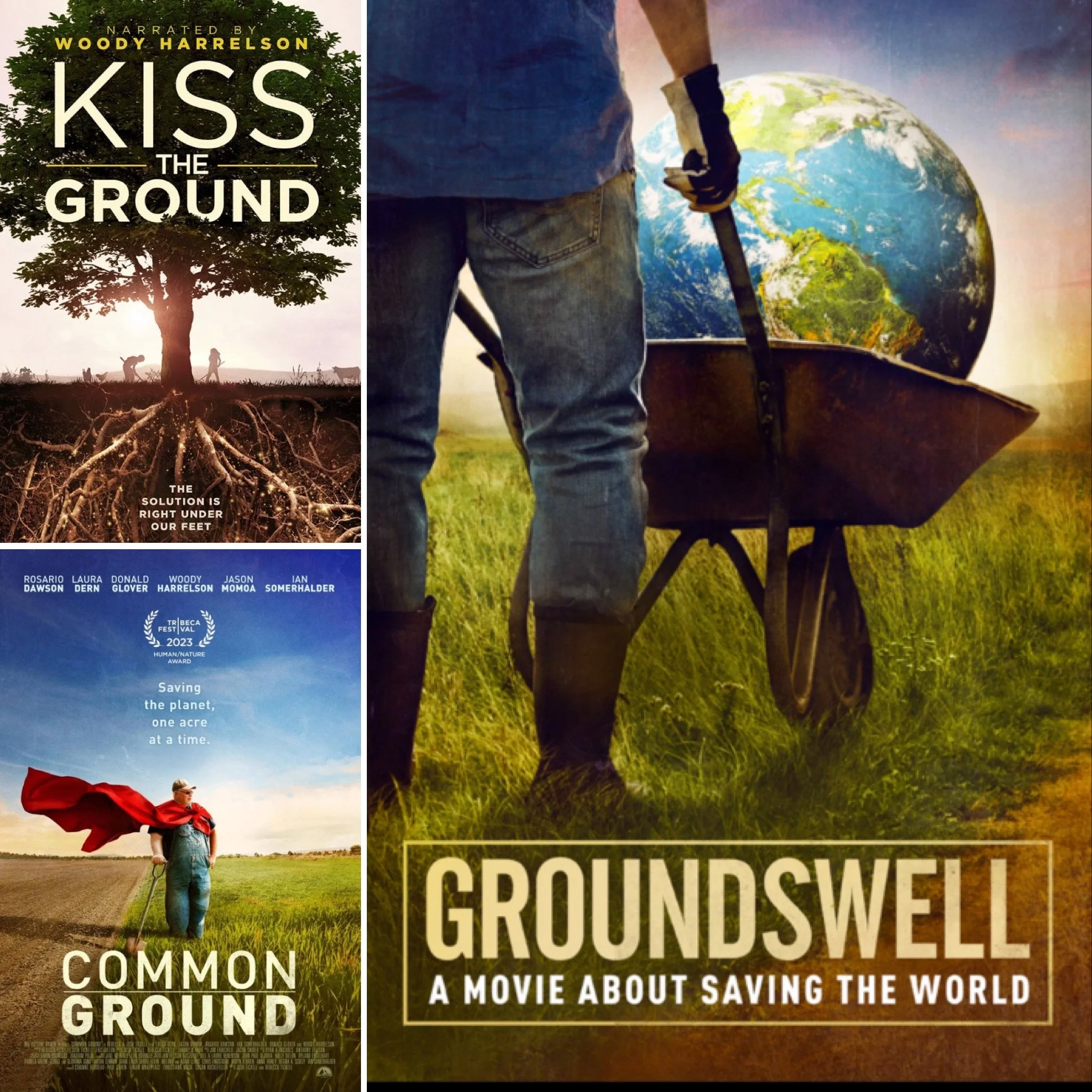
Gratitude will be a big part of our family’s thanksgiving meal today which we will share with our oldest son, his wife and our awesome granddaughters. We will also be sharing and remembering the words of botanist and award winning author, Robin Wall Kimmerer, who writes in her book The Serviceberry: Abundance and Reciprocity in the Natural World. “Food in our mouths is the thread that connects us in a relationship simultaneously spiritual and physical, as our bodies get fed and our spirits nourished by a sense of belonging, which is the most vital of foods,” Around the world, farming families and entire communities are part of a rising global movement to restore our soils and reimagine our relationship to food. I’m honored to be the executive producer of a forthcoming film, Groundswell, which lifts up these global stories, stories of courage, creativity, and commitment to regeneration in every sense of the word.  

Thank you, dear readers for your words of encouragement for my newsletter and for the gratitude you have expressed for the stories and ideas shared here.

Onward!

- Pat

P.S. Forwarded this newsletter and find it informative? Subscribe here.

P.P.S. If you enjoy this newsletter, consider sharing it with friends and family!

Hopeful Reflection: Returning from COP30

Dear Readers, 

You may remember that back in September, I wrote a newsletter attempting to demystify the COP process, the annual gathering of global leaders charged with negotiating the commitments needed to secure a livable future. COP, of course, stands for Conference of the Parties to the UN Framework Convention on Climate Change. There have now been 29 of these convenings, and while many have been clouded by controversies, including the last two being hosted by oil and gas-dominated economies, progress has far too often fallen short of the promises. These gatherings remain the single most consequential decision-making arena for the future of Planet Earth. They are imperfect, frustrating, and sometimes maddeningly slow, but they are still humanity’s best chance at collective action on a global scale.

We are the first generation to fully understand the consequences of inaction, and the very last with the power to prevent the worst of what’s coming. Now, that may seem daunting to some, but it gives me hope knowing we have the knowledge and the means to solve the crisis. This realization, and my desire for my children and grandchildren to know I did everything I could, is what took me and a small but determined Project Dandelion team to the COP30 Amazonia, convened in Belem, Brazil.

Belém, a city perched at the edge of the world’s greatest rainforest — the “lungs of the planet” — hosted nearly 100,000 participants from every corner of the globe. Presidents, ministers, scientists, youth leaders, Indigenous guardians, mayors, business leaders, artists, and activists moved through the hot, humid corridors of the COP venues with a shared determination: to insist that the Amazon remain a living solution to the global nature and climate crisis rather than a monument to our collective failure to heed the science and implement the changes necessary to ensure a livable future on Planet Earth. 

Project Dandelion was created to meet this moment with an urgent call for collective action. I left Belém carrying stories, stories of women leading with fierce determination, of Indigenous guardians speaking for the forest with unmatched clarity, of youth activists pulling us toward the future with urgency, and of global networks like Project Dandelion insisting that any solution worth having must be inclusive, intersectional, and rooted in justice.

Co-founders Ronda Carnegie and I, alongside our Senior Strategist Laura Cook, spent the first week convening Dandelions across Belém to encourage, together, the feminist leadership and moral courage this moment demands. From spiritual leaders to youth innovators, from scientists to business champions, we witnessed just how many people are ready to lead with imagination, solidarity, and moral clarity. These voices grounded this COP in values and ethics, shaping not just the atmosphere in Belém but the policy center of gravity.

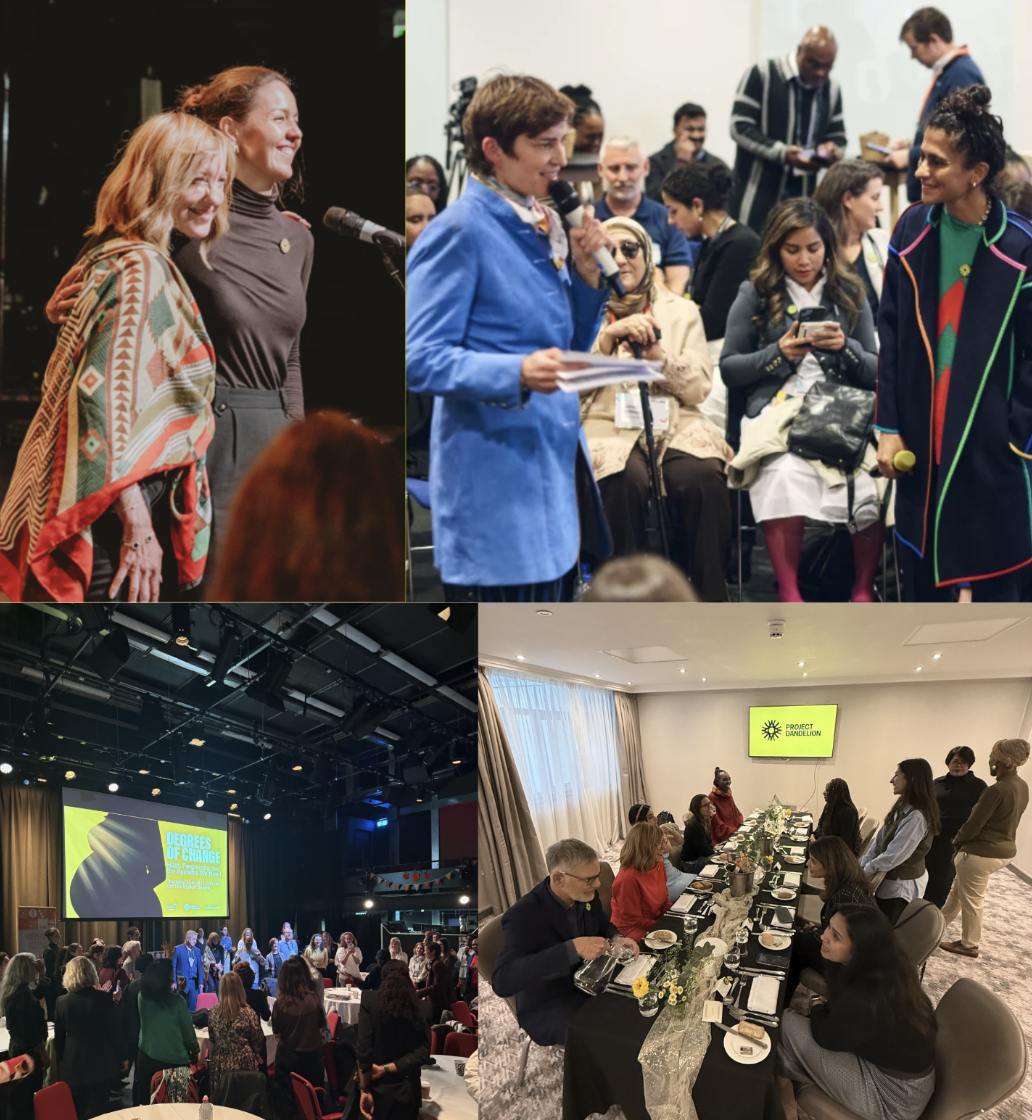
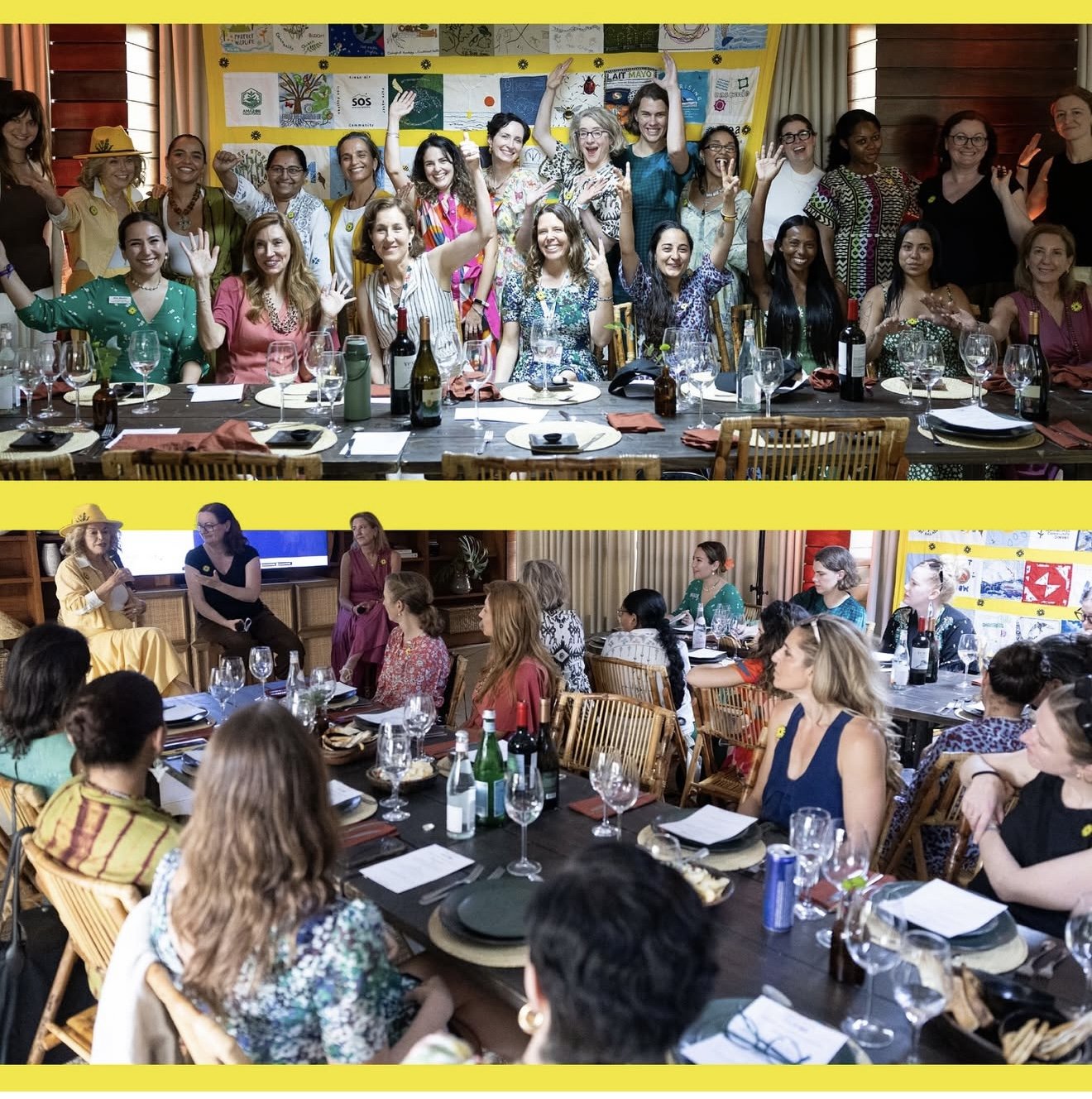
We gathered for the Women at the Forefront of Climate Action dinner held at the historic Casa Dourada Belém’s Cidade Velha. The event was co-hosted by Project Dandelion, Instituto Clarice, and the L’Oréal Foundation together with extraordinary women shaping a more just and livable world. Our partners for this event, Mariana Ribeiro and Flavia Doria, Brazil’s feminist leaders, COP official hosts and organizers as well as Project Dandelion’s strategy and narrative lead, Laura Cook led a celebration of leadership, resilience, and the unbreakable spirit of women connected by a vision of what the future could be and calling for ways to move towards it. 

That evening, Dandelions Marcella Fernandez and Durja Julia also performed a profoundly moving ritual on the power of water for life and reminding us that this circle of women leaders reflects the solidarity that is our power. We are walking this path together and we have every reason to keep believing in what we can achieve.

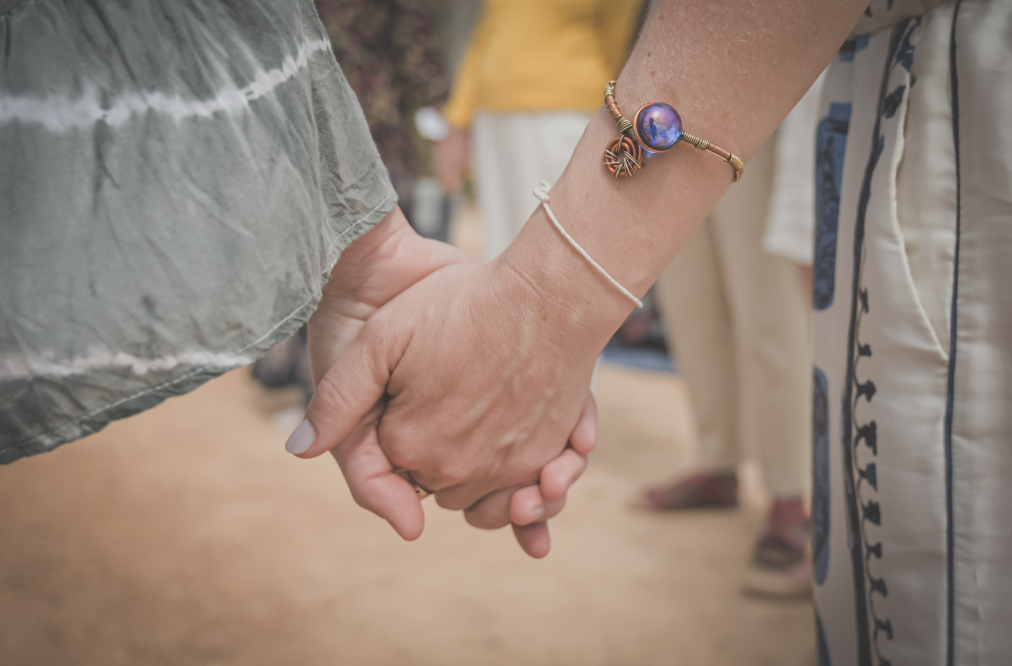
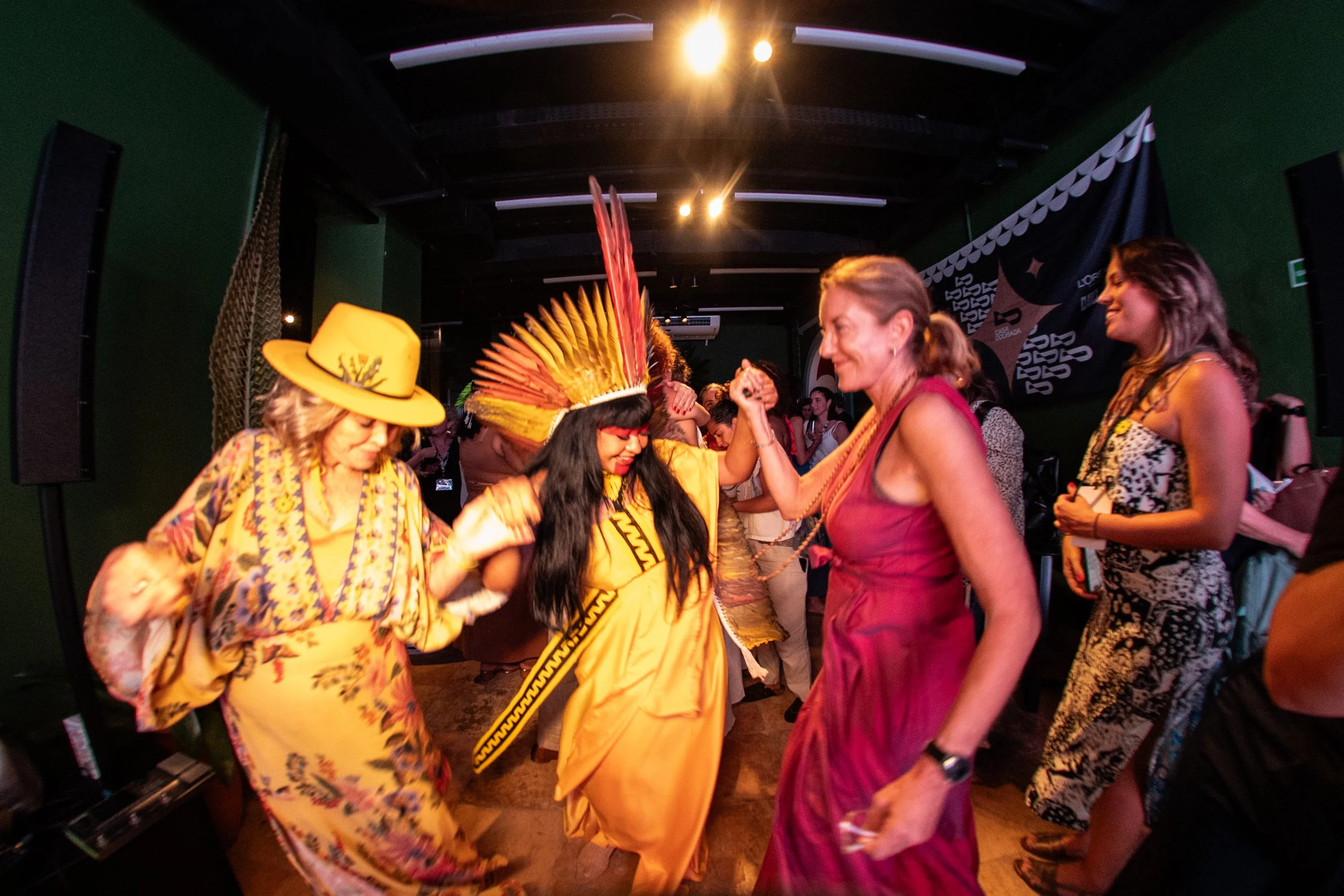
After a powerful provocation, Brazil’s first Indigenous leader elected to the country’s Parliament, Celia Xakriaba, reached for mine and Ronda Carnegie, Project Dandelion’s cofounder and Executive Director’s hands, and she pulled us into a dance of joy and united spirits.

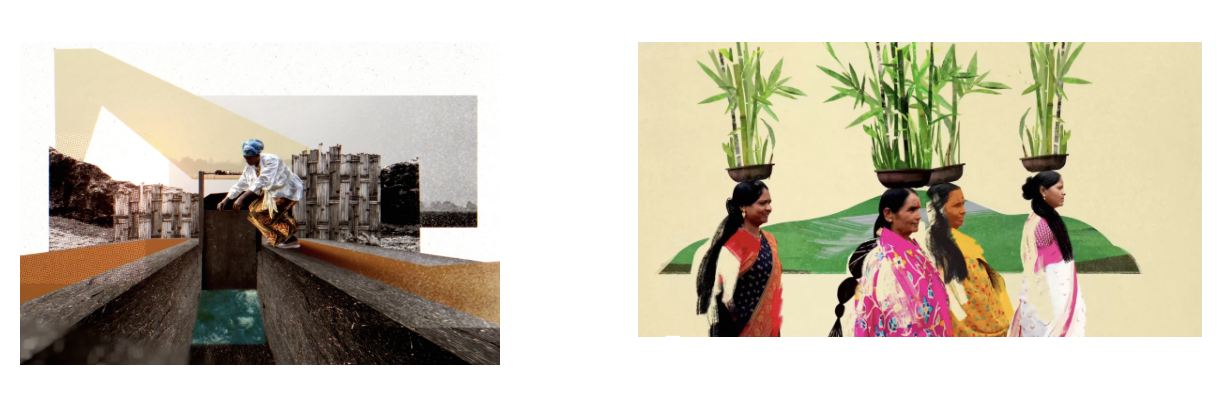
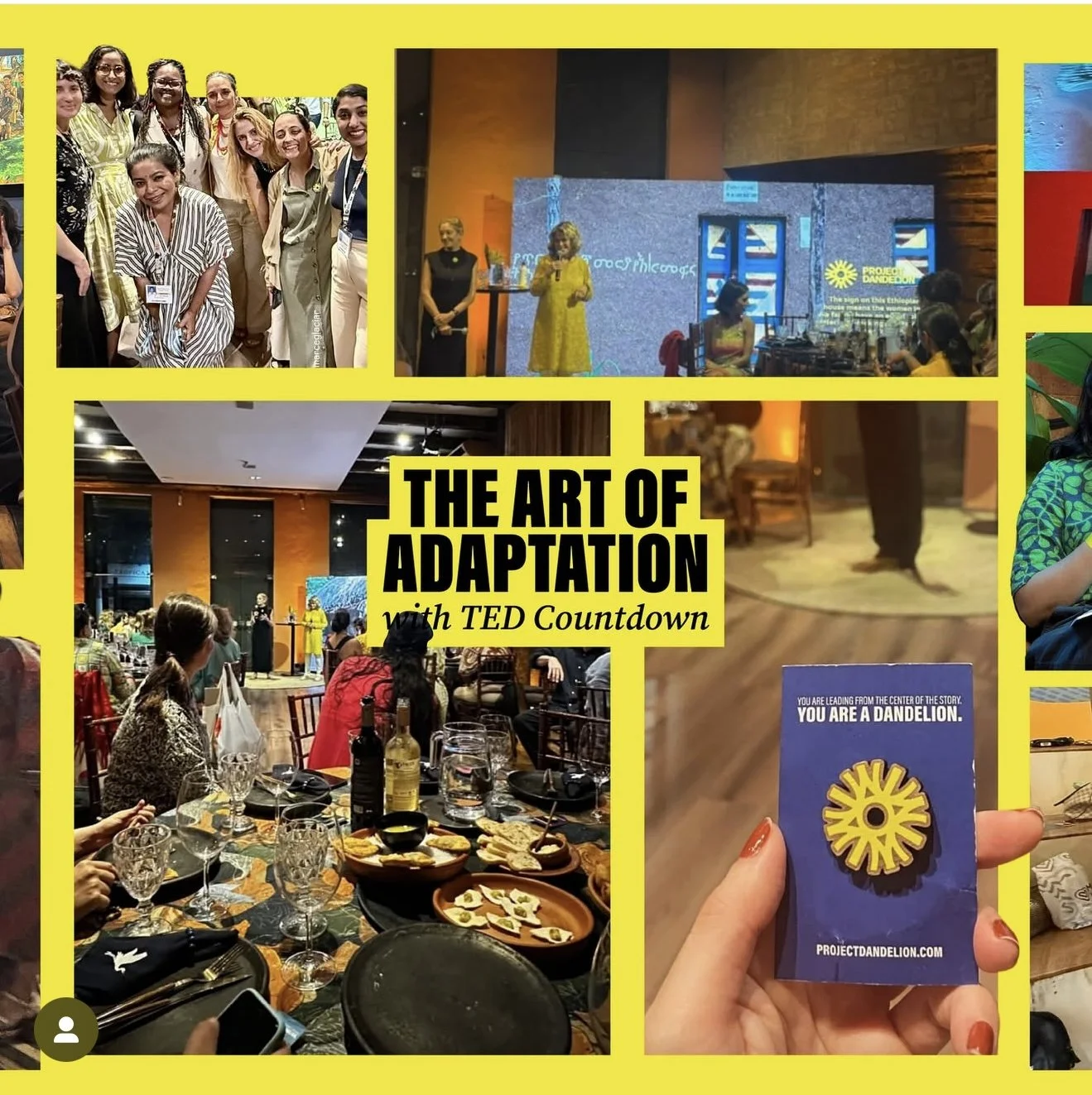
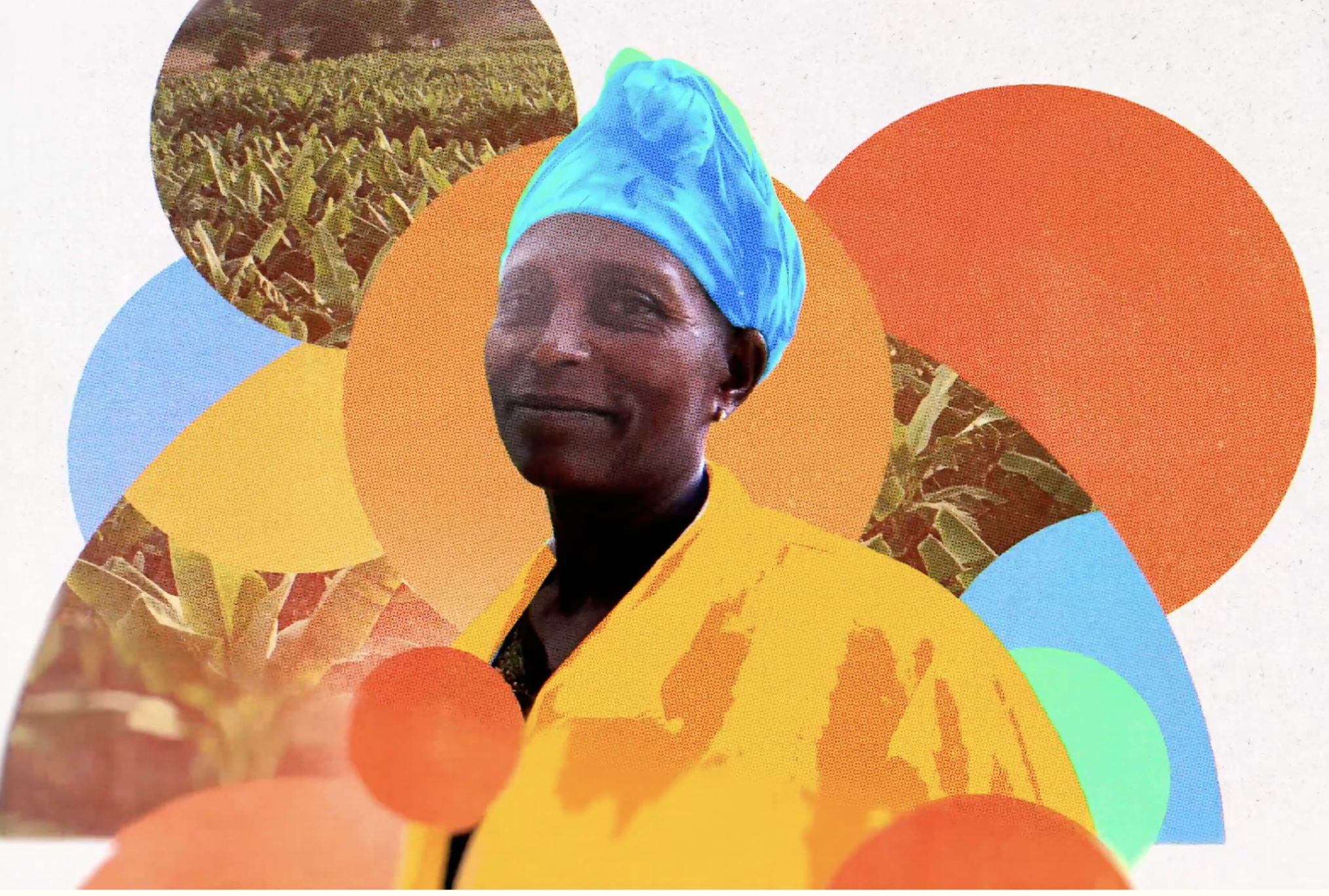
The next evening at the TED Countdown House in Belém, Project Dandelion gathered more women leaders, innovators, and allies who are reshaping what climate adaptation can look like when imagination meets implementation. The room carried a sense of purpose and possibility. We shared our social media campaign on small holder farmers in Ethiopia, India, and across our global network, as evidence that women are not merely responding to climate change — they are redefining resilience itself.

Through the provocations that unfolded over dinner from Ana María Loboguerrero’s call to recognize women smallholder farmers as architects of innovation, to Sage Lenier’s vision for mobilizing institutional capital, to Estelle Willie’s reframing of adaptation as a new form of development, and Ana Lucia Villela’s reminder that children’s voices must guide us — the evening became a testament to the power of collective leadership. 

Laura Cook, with her characteristic grace and articulate messages, drew insights from all of the conversations to remind us why we gather as Dandelions: to connect, to unify our work, and to imagine what’s possible when we act together. Standing with Ronda at the close of the evening, I felt once again the deep truth at the heart of this work– that the Dandelion grows wherever it’s planted and even grows up through the cracks….wherever there is light, and that light, for me, shines brightest when women lead, together.  

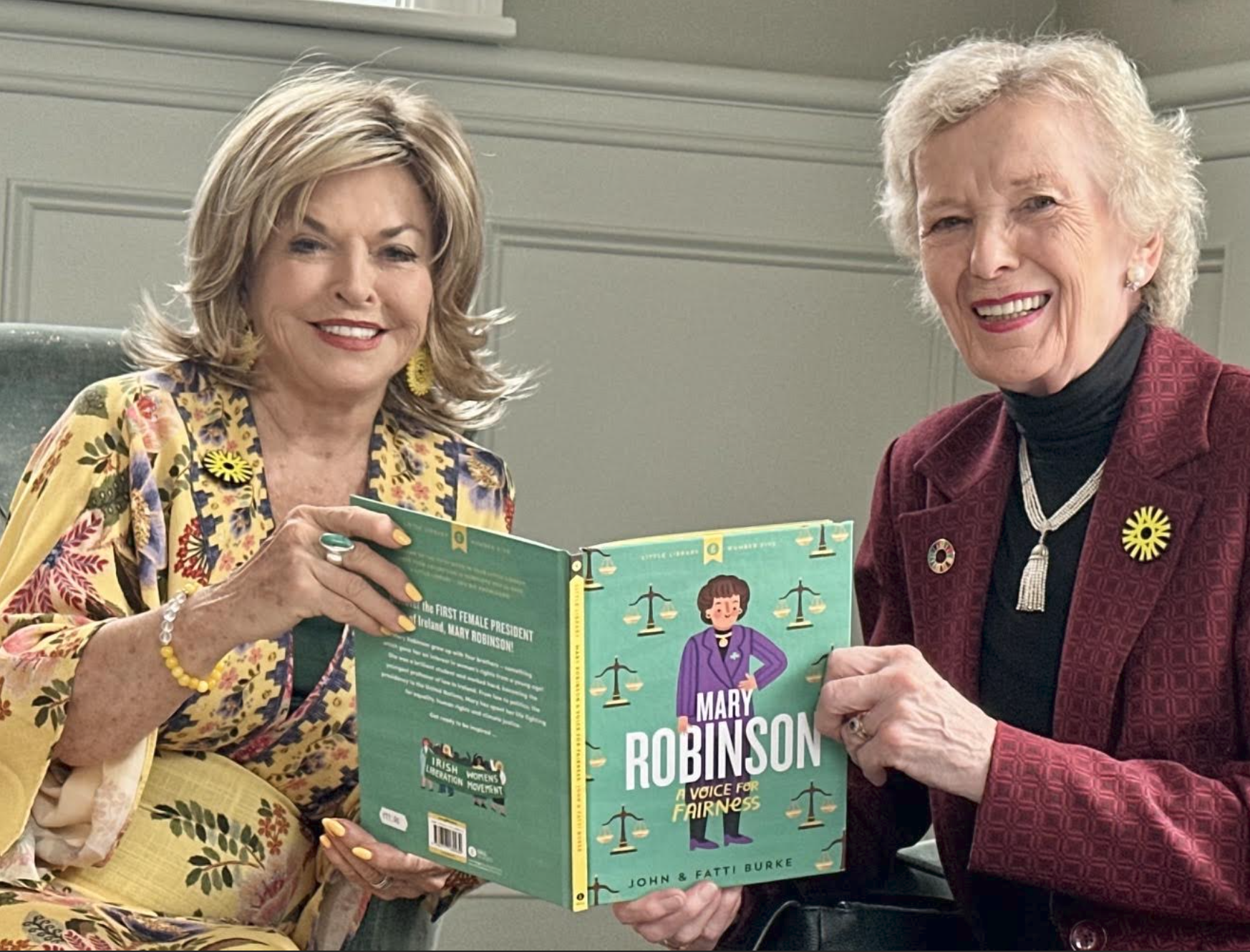
 Always at the forefront in these global convenings was Project Dandelion’s co-founder and courageous world leader, Mary Robinson, who once again, as she has done at nearly every COP, made a compelling case for the interconnectedness of gender justice and climate justice

At this writing, the final language in the Gender Action platform as well as all of the global agreements and commitments has not been released, but I did just receive an update from Project Dandelion’s ever resilient Laura Cook, still on the ground in Belem.

Laura reports that today, “In an emotional, packed-out Press Conference Room 1, Colombia — in partnership with The Netherlands — convened a coalition of countries calling for real momentum behind the transition away from fossil fuels, declaring..There is still time to deliver a success story from Belém. We cannot leave COP30 without an explicit intention and a credible roadmap to phase out fossil fuels.*

The success will be unambiguous language acknowledging that fossil fuels are at the root of this crisis — and a call, however overdue, to not only phase out the reliance on fossil fuels that are responsible for the deaths of more than one million people a year, but to shift urgently to cheaper, cleaner and renewable energy sources; to set clear deadlines for the necessary end of fossil fuel exploration and use; to acknowledge without qualification that oil, gas and coal remain the biggest drivers of climate change and one of the greatest threats to the health of all, in particular, children’s health. 

Consider this: One billion babies have been born since the Paris agreement when most of the world’s nations agreed to do what was necessary to keep the world’s temperature at 1.5 c or below. For them, and all generations now and to be born, we must be the generation that acts now to reverse the damage and protect what we love–and need- to survive and thrive.

Back home from Belem, waiting as we all are, for the final negotiated agreements on global actions to address the crisis that touches us all, I am feeling hopeful. Not naive optimism, but the grounded hope that comes from standing in rooms where people are still willing to fight for one another. Where courage is contagious, and witnessing the changes when women lead, together, when indigenous voices are centered, when youth demand accountability, when movements link arms across borders — something powerful shifts. And that shift, I believe, starts with a commitment within each of us to answer the call to action.

I want to close with this excerpt from Amanda Anastasi’s poem ‘The Last Call’. It is currently displayed in the Oceania Pavilion at COP30, and has been presented to the UN as part of the Oceania Global Ethical Stocktake.

Let it not be said that we could not find the will

to do the work of reforesting, of decarbonising,

of transitioning to the sun and wind and wave.

Let it not be said that we were not ambitious

for humanity; for our child’s air, water and soil

and the spaces they will think and create in.

On the morning after the cruellest bushfire,

listen to how the currawong and crow circle

above the scorched ground, beginning a call

for life to return. Note the persistent budding

from black; the green pushing through despite us.

Let it not be said that our inertia was too strong

to keep home habitable. Let it be said we chose

courage. We chose unity. We chose survival.

Onward!

- Pat

The Power of Place: Starting Right Where You Are

Faithful readers know (and hopefully appreciate) my obsession with leadership and my commitment to elevate leaders who use their powers and influence in service to others…the kinds of leaders that millions of Americans gratefully voted for this week…leaders who know how to create change from the ground up! I will be writing about some of them in future weeks, but as I am traveling to Brazil to participate in the COP30, the UN’s convening of nations to negotiate global climate policies, I am sharing a an inspiring story of a Brazilian leader I’ve come to know through my work with Project Dandelion. 

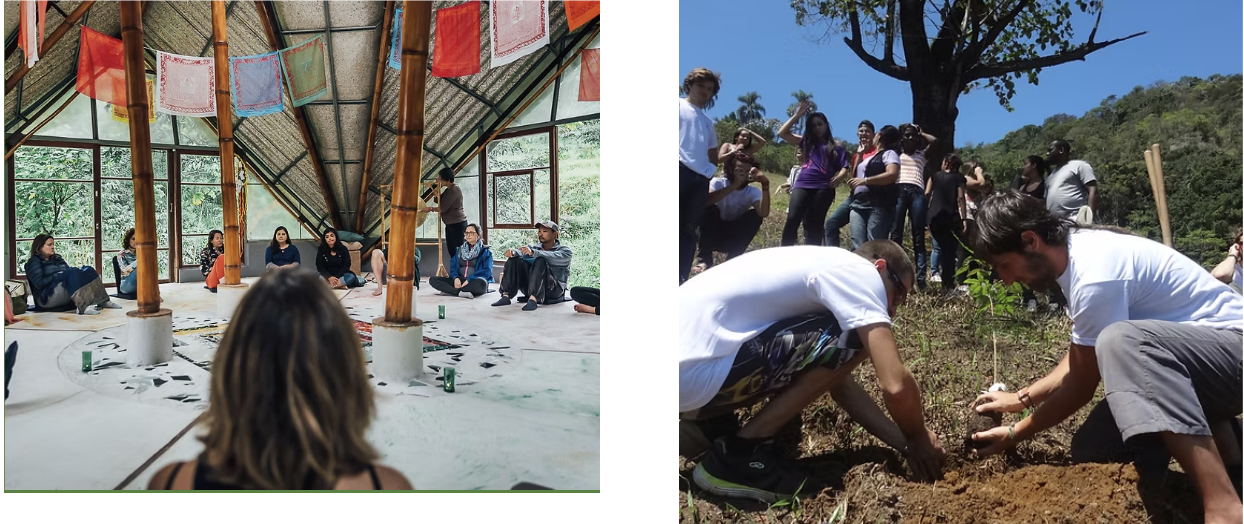
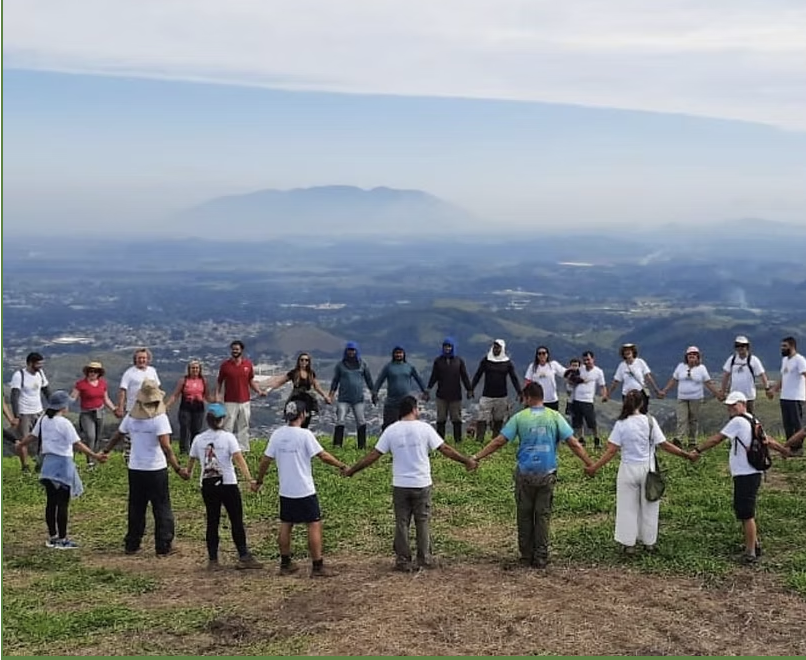
Thais Corral is a soft spoken, passionately committed social justice advocate, who after twenty-five years of important international leadership for women rights and the importance of protecting and restoring people and the planet, came to understand that global goals of equity and justice can best take root when action is anchored in particular places, and when the people who live there are centered as the agents of that change. That conviction became the seed of Sinal do Vale, a community quite literally restored as a ‘living laboratory’ outside Rio de Janeiro in Brazil’s Atlantic Forest.

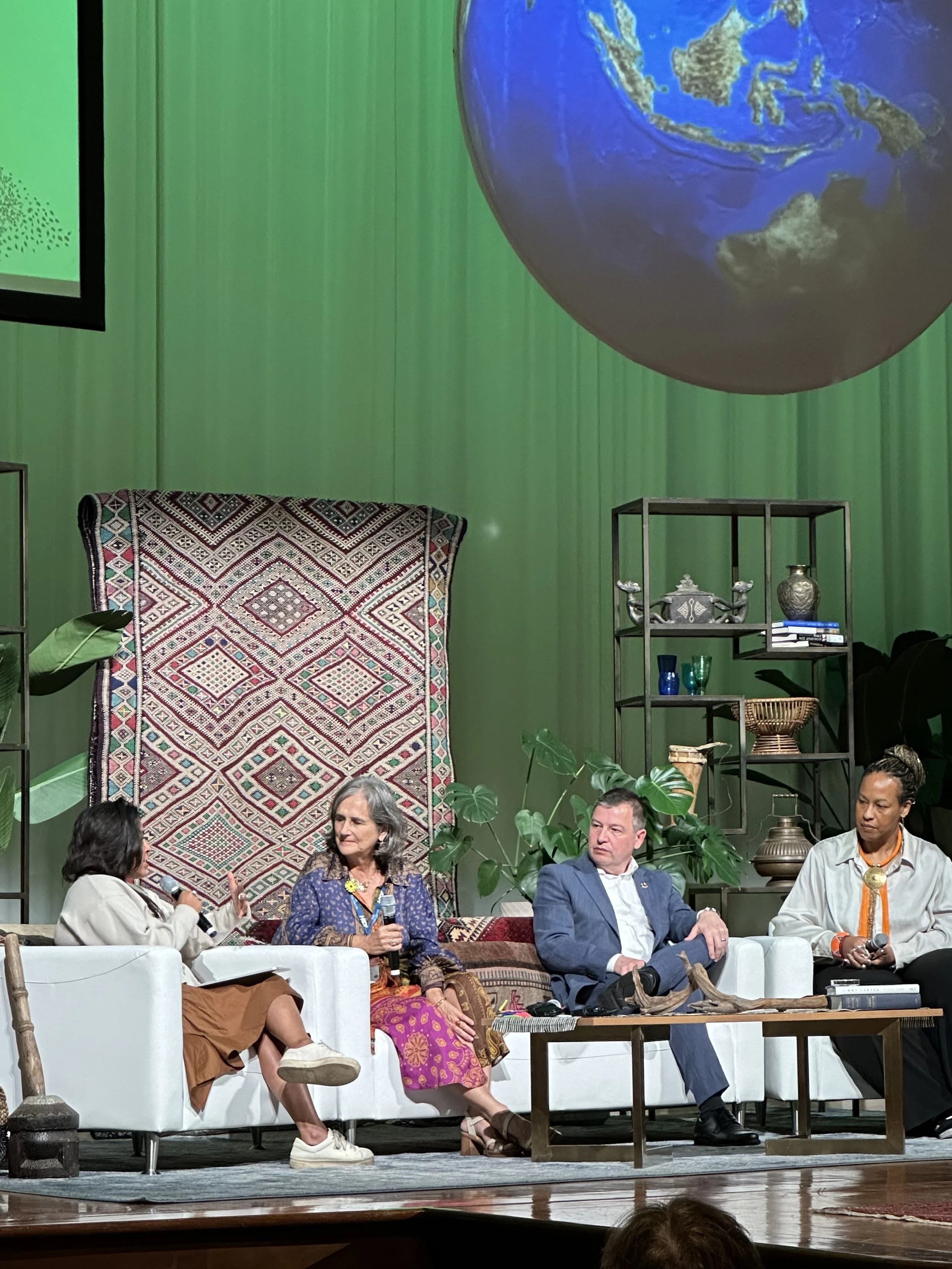
Panel discussion during last year’s Human Right Defennders Forum at the Carter Center

Left to right: Jade Begay, Thais Corral, Dr. Edward Cameron, Colette Pinchon-Battle

Sinal do Vale is a vibrant example of change beginning from the ground up–starting with restoring the soil, the forests, innovating nature based solutions for food systems, and creating new forms of livelihoods based on regenerative practices. It is a learning campus where participants, often young people and young women, come for immersive programs and workshops that equip them with practical skills in agroecology, restoration planting, and regenerative business design. The community that lives and works there manage projects that reweave fragmented forests, improve watershed function, and create corridors for biodiversity, while also regenerating local food systems to strengthen local food security. 

At its heart, Sinal do Vale is not only a learning campus, but also a bio-hub for changemakers. It hosts workshops, residencies, and leadership retreats for organizations and leaders from around the world. The intention is clear: those who come to learn here leave with the tools, networks, and confidence to replicate regenerative practices in their own communities.

I haven’t visited Sinal yet, but it’s in my plans as I’m eager to learn more about how this kind of land stewardship and the restoration of community from literally the ground up, are exactly the long-term investments needed to solve many of today’s global challenges. And just as importantly, Sinal is creating economic resilience for rural people as every activity is designed so that economic benefits flow to local families, community groups, and small enterprises, and with a special focus on cultivating young women in the communities to pursue climate resilient livelihoods. This commitment is not symbolic; it is practical and sustained, offering training, mentorship, and opportunities to transition into meaningful local work. 

Thais’s leadership and the living laboratory of Sinal do Vale remind us that ambition for the planet must be translated into the humble work of place-making. The greatest policy frameworks and global agreements are meaningful only when people on the ground—especially women and youth—have the land, the tools, and the agency to act. When we choose to steward a single place well, it becomes a model that ripples outward. Sinal do Vale is already doing that: restoring forests, supporting local livelihoods, incubating regenerative enterprises, and raising up women as leaders of the change we need.

I’m inspired by the story of Sinal do Vale and by Thais’s decision to start where she was already rooted, seeing what could be restored, regenerated and building the community to sustain it.  There are other examples of this place based transformation, and leaders who start something big in their own backyards.


Closer to my own backyard, Thais’s story reminds me of a similar place based community that began somewhat the same way. 

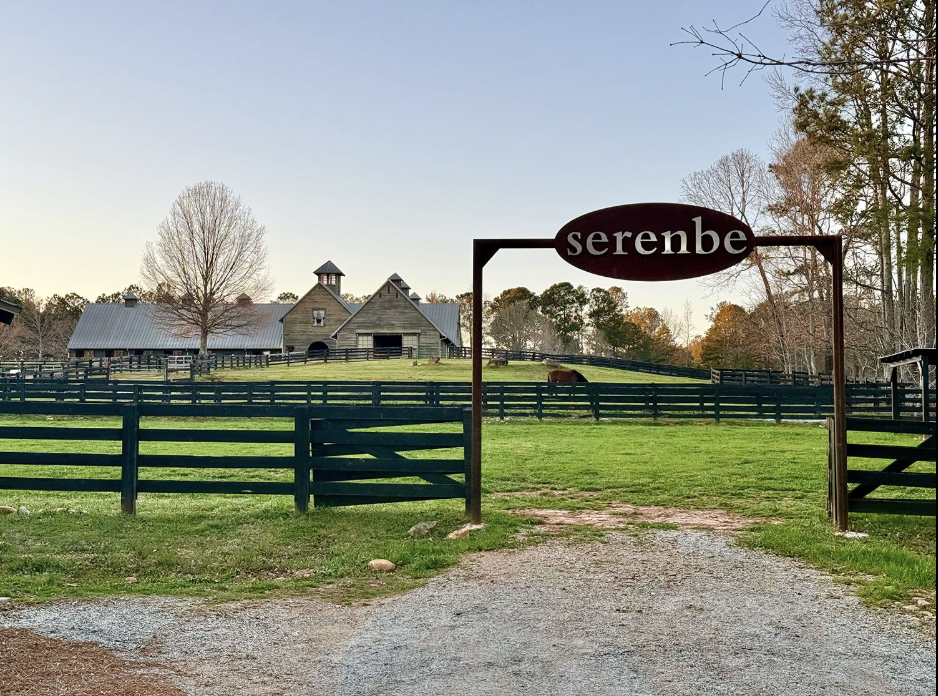
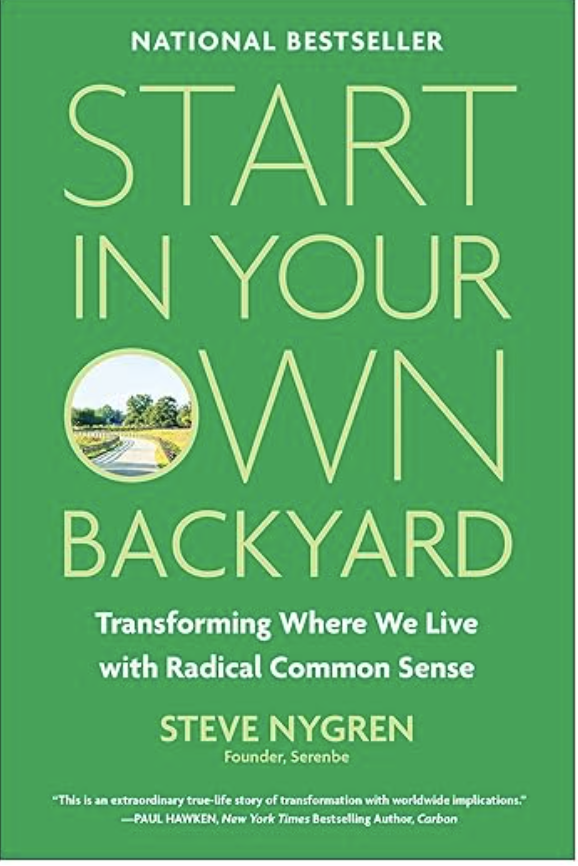
Serenbe, a community less than an hour south from Atlanta, began as one family’s effort to protect a beloved farm from suburban sprawl and grew into a living example of what’s possible when development and nature work together rather than in opposition. The visionary founder/entrepreneur, Steve Nygren, recounts this story of how Serenbe became a thriving model for sustainable living: a place where homes, farms, art, and nature coexist in harmony; where good food, creativity, and community are nurtured side by side in his new book, aptly titled “Start in Your Own Backyard.” 

(Confession: I wrote the foreword and my husband and I bought a small cottage there, contemplating a move at some point in the future as we, like many of you, desire a lifestyle that aligns more closely with what we value).

I believe I can assert with some certainty that we all value leaders willing to take the risks to start something new, to have the courage of their convictions even when many doubt that their dreams can be realized and sustained; leaders who put service to community ahead of profit and conservation of natural resources instead of short term extraction with long term consequences for people and the planet. These values and others motivated Thais and Steve and the other leaders everywhere who understand the power of place based solutions, the importance of community and who move forward towards the simple but transformational decision to preserve what they loved most and to reimagine how we live with the land and with one another. 

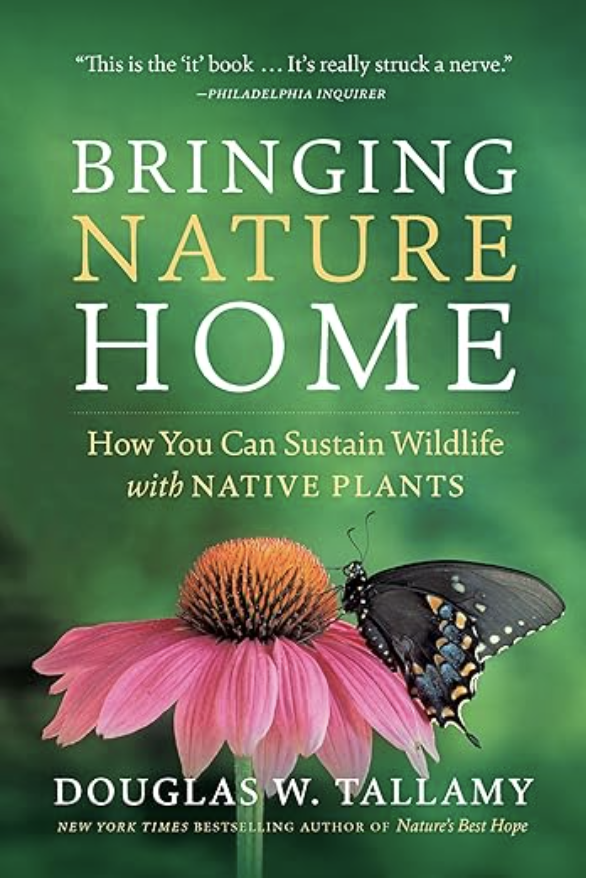
And there are small, but significant ways that each of us can start in our own backyards or rooftops, however small or large, to begin to transform how we are living on or with the land or shared spaces. Here’s some helpful books that offer ways to start and perhaps, to become the one who leads your family, neighbors and community from the ground up to a more harmonious, healthy, and sustainable relationship with our shared home, Mother Earth, and with each other.  

Onward!

- Pat

Project Dandelion COP 30 Hub
This Week's Dandelion Digest

Earth's Anthem: Reflections on Climate Week and 'Dear Everything'

Dear Readers,

Every year, I walk into New York Climate Week proudly wearing my Dandelion pin—determinedly optimistic that this year will be different. That this year we will begin to solve for the fragmentation within our environmental movements that too often holds us back from real progress. Progress toward global policies set and enforced by governments, toward new standards and accountability for business, toward real commitments from the financial sector. All of which are essential if we are to move away from catastrophic climate impacts, biodiversity loss, and the unlivable future that looms if we fail.

Ronda Carnegie, myself, Laura Cook, Emily Moody, & Dr. Nancy O’Reilly at Solutions House

And yet, Climate Week unfolded much as it always does: nearly 800 organizations competing for attention, unpredictable scheduling conflicts, traffic jams compounded by motorcades for 200 world leaders—one in particular whose presence can shut down midtown Manhattan, who dismisses this crisis as a “con job”. Tell that to the people of Louisiana, Texas, California, North Carolina, Florida—or any community in this country—that has endured the hurricanes, floods, and wildfires fueled by a warming planet. The latest Planetary Health Check confirms what lived experience already makes clear: climate change is no hoax. It is our shared reality, and if unchecked, it will only get worse.

So yes, it is real. And yes, it is frightening. But here’s the message we carried with us to New York—along with our sneakers for the six miles of walking each day: we can reverse this damage if we act quickly enough and with more collective action.

Even if we exceed 1.5°C in the coming years (and many scientists say this is unavoidable), we can get back there with policies that phase out fossil fuels; with bold investments in renewable sources of energy; with regenerative agriculture and grazing practices; with proximate and indigenous leadership; and with leaders at all levels who take the long view and make courageous choices.

We can still secure a livable, healthier future for all. The solutions already exist. What we need now is a unified strategy for collective actions that will apply pressure on governments, businesses, corporations, and financial institutions to act with urgency as well as compassion, clarity and care.

This is why my radical optimism grows—when I see more leaders wearing the Dandelion pin and committing to its promise: to protect what we love, restore what we’ve lost, and embrace regenerative practices that heal. To choose collaboration over competition, reciprocity over extraction. To remember that we are not separate from nature, but of it—and that every choice we make is a chance to shape a safer, more just, more livable planet.

Of course, there are those clinging to outdated and unfair systems. They enrich themselves while endangering future generations. But that doesn’t have to continue—if we unify, strategize, organize, and vote for leaders aligned with a vision of a sustainable and equitable future.

We need more than policies. We need a cultural breakthrough. We need the breakthrough power of stories, music, and art—the same forces that have fueled every great movement. And one of the biggest and most effective global movements of all time was launched by one play by one extraordinarily gifted writer and passionately committed activist: V (formerly Eve Ensler.) She knows a lot about how to launch movements with words, songs, and personal stories.

V’s “The Vagina Monologues”  launched the V-Day movement to end violence against women, and with performances in 150 plus countries, thousands of cities, villages, public squares and Parliaments, raising over $100 million for local organizations worldwide.

V, the cast, and supporters after the Atlanta performance.

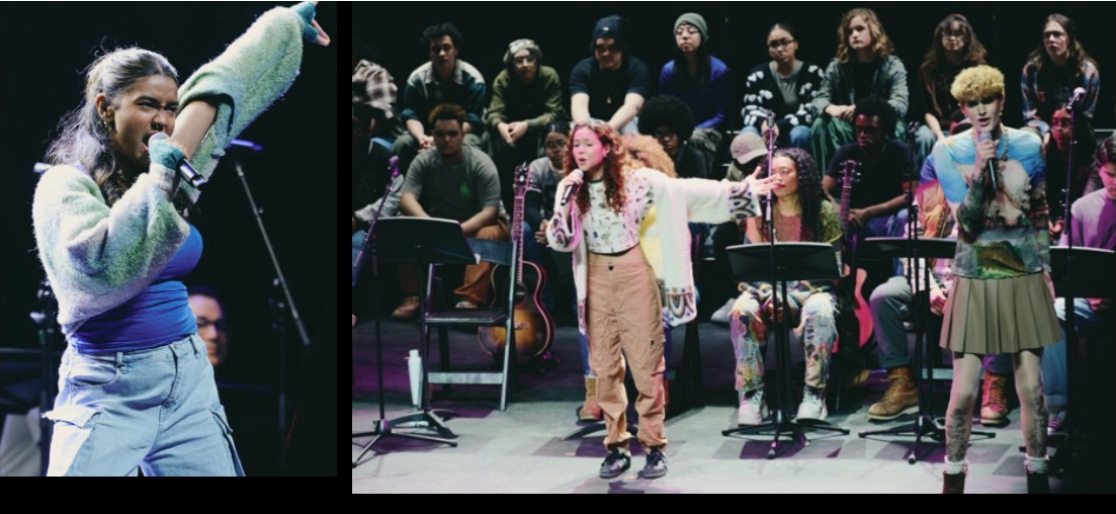
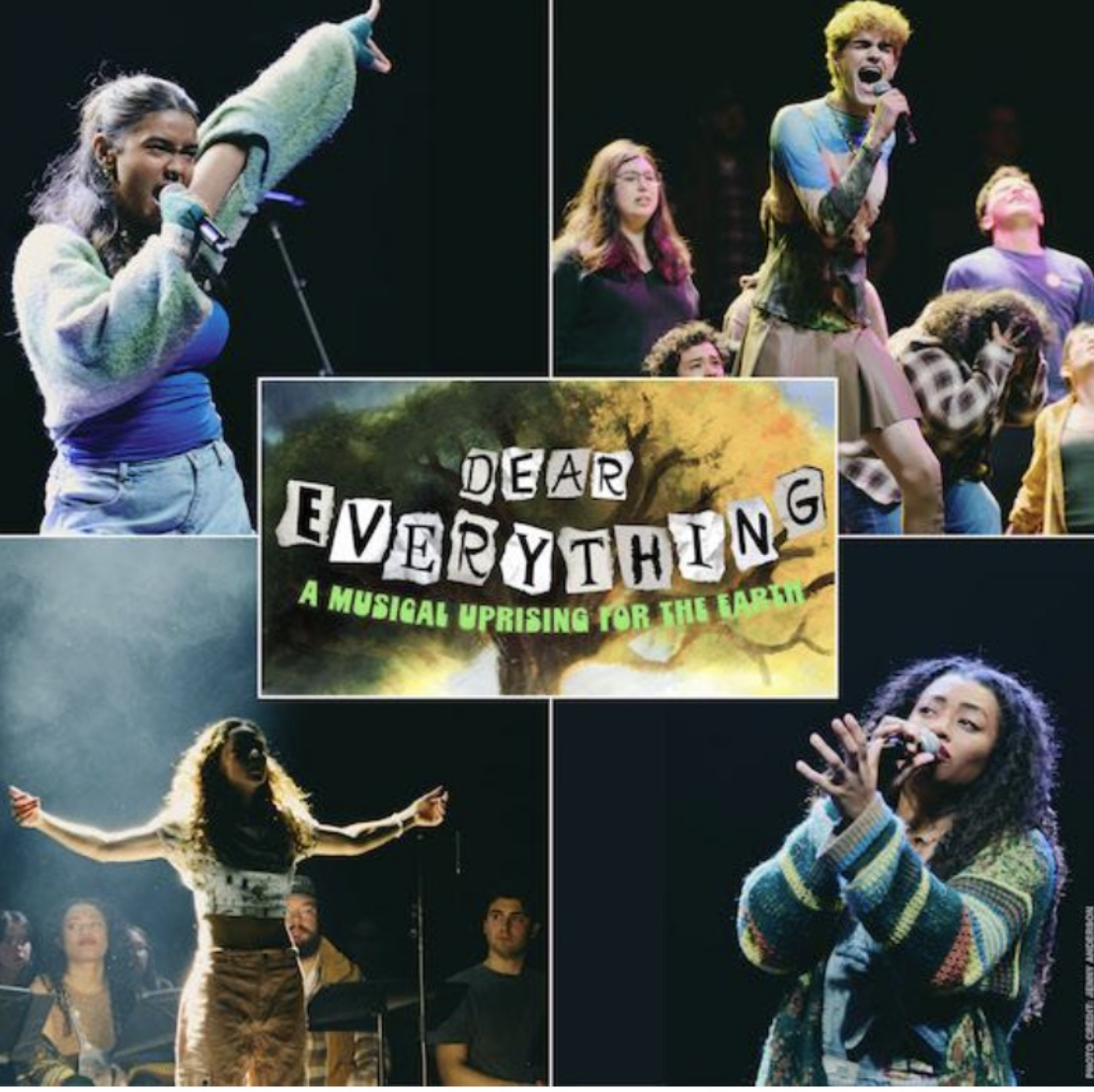
Turning that same creative fire and activist passion to the nature and climate crisis, V collaborated with Justin Tranter, Caroline Pennell, Eren Cannata and director Diane Paulus to create a memorable theatrical experience called Dear Everything which I wrote a bit about last week but got to see again last night in Atlanta.

It was just what I needed after the pressures and stresses of NY climate week to return to Atlanta where Dear Everything launched a multi-city national tour. With a rousing rock musical score, a narrative that captures the challenges of today with a story of youth resisting the easy answers to ‘sell out’ the future and reclaiming their community. There are so many songs in this totally captivating performance that each could become a movement anthem, and given audience response each time I’ve seen this awesome cast win hearts and open minds, I predict that these lyrics and this song could be the new Anthem for a youth led movement. A youth led movement to resist the challenges of NOW that continue extraction and exploitation of our resources and the opportunity to stand up and take action for a better tomorrow.

“We want you to panic! We want you to Act. You stole our future and we want it back!”

Dear Everything has three more cities on this national tour: Miami, Los Angeles, and Salt Lake City. Check out listings and information if you live in those cities and watch for other future opportunities.

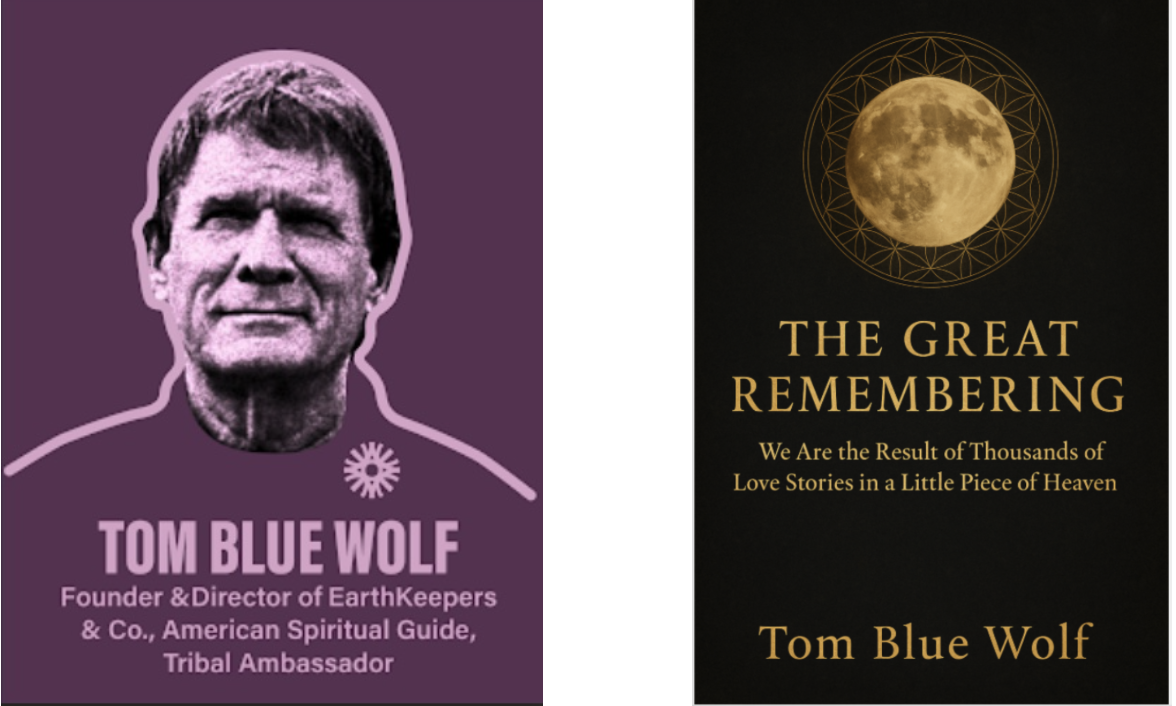
Many of us now need to get some sleep and more of that self care i wrote about (but have challenges living my own advice), and then we return to the front lines to continue what Christiana Figueres calls “radical optimism”; what Project Dandelion co-founder Mary Robinson calls “radical collaboration” and what I will call for now, a “radical solidarity” based on a new “remembering” as my friend, Tom Blue Wolf, Founder and Director of EarthKeepers, writes in his new important book The Great Remembering that “the earth is a living being, to honor the power of our words and to awaken the deep knowing that we are not separate from creation–we are part of its song”.

Onward to more singing and resisting and regenerating, together!

- Pat

Everyone has a Story and some stories change everything!


Dear Friends,

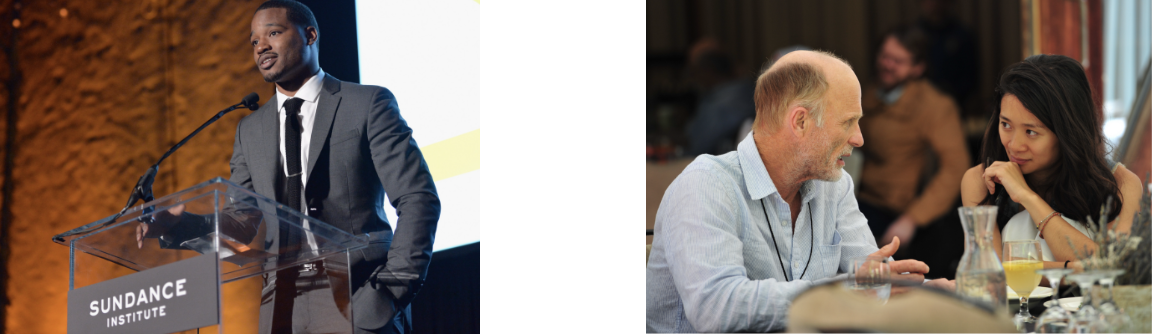
As many of you know, the world lost a great believer in the power of storytelling this week–an artist/actor/visionary named Robert Redford. As some of you may know, he was also a beloved friend of 30 plus years. His friendship is a gift I cherish and hold closer in this time of grieving the loss of his light in the world.

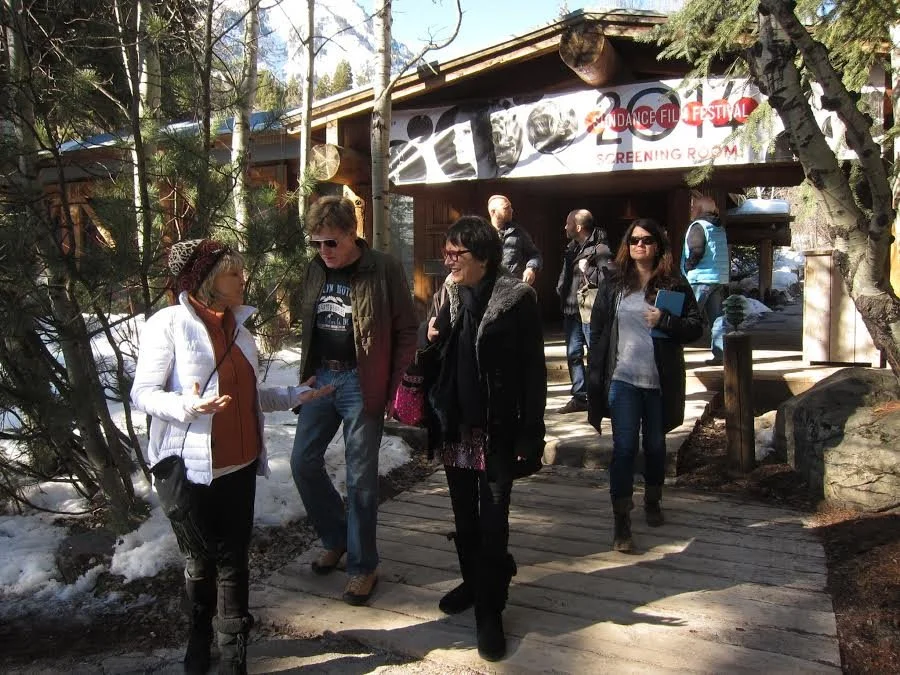
At some point later, I will share my reflections on this extraordinary man and the enormous impact he had on the lives of all who met him or worked with him and especially the many thousands of other storytellers whose stories were nurtured through the Sundance Institute’s artists programs or screened at the Sundance Film Festival. I’ve had the privilege of witnessing as a trustee of the Sundance Institute for three decades the impact of his vision which was to create new opportunities for discovery and support for the stories not being seen or told because, as he said often, “storytellers broaden our minds: engage, provoke, inspire and ultimately connect us”

I’m going to honor his legacy and the deep roots of our connection by uplifting some stories that I believe embody that promise. Whether spoken from a stage, illuminated on a screen, or performed through music and dance, in every form, stories can create the emotional connections that remind us of our shared humanity. They shape what we believe is possible, and they have always been at the heart of movements for justice.

Whether it’s a documentary that reveals truths we can’t ignore, a performance on stage that stirs us to tears, or a song that lingers in our hearts long after the last note—stories awaken us. They move us to compassion and when compassion takes hold, action follows. That is the transformative power of stories well told.


Let me share one of my stories as a filmmaker and storyteller myself, fortunate enough to have worked alongside Redford on a six hour documentary series on America’s indigenous communities which was titled “The Native Americans”.

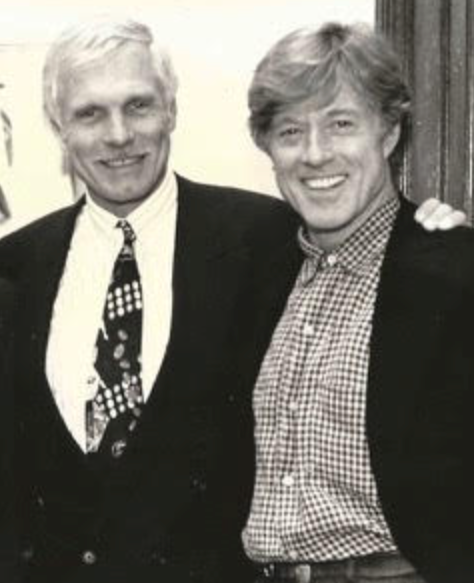
It had been Ted Turner’s original idea to document the untold and unknown stories from the history of many of the indigenous nations who lived and thrived on this land before there it was called the United States. Redford insisted that all those stories be written, directed, and produced by indigenous storytellers, many of whom had been supported, mentored, uplifted through the Native Voices labs at the Sundance Institute, a program that continues to offer opportunities for indigenous storytellers from around the world.

Working with Bob (and yes, his friends do call him Bob and it’s hard not to do so here) on this series, was my mentorship on the importance of proximate storytellers, of finding and elevating the stories closest to the challenges. That series was broadcast on Turner cable networks, but has never been shown again after Turner Broadcasting was bought by TimeWarner. You can find it online on various film sites.

I am forever grateful for the experience which taught me more about trust, about authenticity, about allowing stories and storytellers to find their way, and watching Redford do this was a master class in shaping stories for greatest impact.


Recently, when the Helen Gurley Brown Foundation  gave me the opportunity to support indigenous storytellers, I took this grant to the Redford Center, another organization Bob and his son, Jamie, founded to support stories and storytellers focused on environment. We identified four indigenous frontline leaders of solutions to the nature and climate challenges in their communities. These are not easy stories to tell and the storytellers are not professional filmmakers, but the stories they tell have the power of up close and personal witness. These are kinds of stories seldom seen by large numbers of people as the media companies and streaming services aren’t convinced audiences will appreciate their authenticity or their power to engage and inspire. I believe they are powerful stories of resilience and perseverance and of individuals trying to make a difference. Small actions but big differences. And they are authentic storytellers who are, themselves, part of the stories they tell. I’m truly excited to share that you can now see these films.

From September 15–28, you can watch these short films through The Redford

Center’s free virtual screening series, Films That Move.

And on September 26 at 11am PT / 2pm ET, join the filmmakers for a live conversation exploring Indigenous-led environmental solutions, their on-the-ground impact, and a collective call to action. Register here

Enraizados (Deeply Rooted) shares the story of Cherán, a P'urhépecha town in Mexico, rising against illegal logging to reclaim autonomy and revive their forests; offering a model of sustainable self-determination.

Nuraga Bhumi follows an all-Indigenous women patrol team in Sumatra, Indonesia, as they defend their forest and protect critically endangered tigers, showing the power of women-led stewardship.

Zag follows land defenders Zágbág and Isabela as they fight to save the endangered araucaria “Zag” trees—exploring the tension between tradition and modern pressures while honoring a community’s resilience.

Kanenon: we – Original Seeds follows Haudenosaunee women reconnecting with their ancestral seeds to safeguard them for future generations, weaving culture, resilience, and food sovereignty.


These stories remind us that some of the most effective solutions to the climate crisis are already being practiced by communities deeply rooted in their lands. Shifting the stories we tell—and who we center in them—is essential, because stories shape our sense of what’s possible.

Project Dandelion, as faithful readers know, is the campaign I co founded with Mary Robinson, Ronda Carnegie and Hafsat Abiola, to elevate women-led solutions to a just transition from the current climate and nature crisis to a climate safe and livable world for all, is committed to amplifying these stories of what is already working.

I can’t talk about the power of storytelling without referencing V (formerly Eve Ensler) whose plays have quite literally shifted cultures in communities around the world, opened minds, changed policies, uplifted the frontline warriors ending gender based violence in their communities and even saved lives. “The Vagina Monologues” tells individual (but universal) stories and is compelling evidence of the power of stories to launch and sustain a global social justice movement. Now V has turned her award-winning skills as a storyteller/activist to create a new theatrical experience that will launch a youth led campaign to end the extractive practices that have been a major contributor the climate and nature crisis.

Dear Everything: A Musical Uprising for the Earth – Atlanta Premiere

On Thursday, September 25, Atlanta will host the one-night-only launch of Dear Everything at The Eastern.

This extraordinary new musical—created by V (formerly Eve Ensler) and Tony Award-winning director Diane Paulus, with music by Grammy nominee Justin Tranter—is more than a performance. It’s a movement. With riveting anthems, a youth choir, and stories of families navigating a rapidly changing world, Dear Everything channels righteous outrage into galvanizing hope. It’s one community’s story but as a story of young people finding their voice, their way to protest and to lead forward will inspire, engage, and hopefully activate the generation whose future is at risk.

Join us in Atlanta or in other cities around the country.

All these stories and more I will write about in weeks to come remind us that culture is a catalyst for change. Stories move us from despair to determination. They expand our sense of what’s possible.

Staying focused on what’s possible, even in challenging times. I sometimes seek solace and hope in poetry. One of my favorites is the Maya Angelou poem: “When Great Trees Fall”.

A great tree fell this week when Robert Redford passed from this world, and i am comforted by the words at the end of this great poem: “our senses, restored, never to be the same, whispers to us. They existed. They Existed. We can be. Be and be better. For they existed.”

The world is better because Robert Redford existed among us and created stories and empowered others to tell theirs. The invitation before us now is to let these stories and others open our hearts, fuel our resolve, and guide us toward a future where justice, care, and possibility flourish in everyone’s story.

Onward!

- Pat

P.S. Forwarded this newsletter and find it informative? Subscribe here.

P.P.S. If you enjoy this newsletter, consider sharing it with friends and family!


The Need for Rest and Restoration

Each September, New York becomes the epicenter of global dialogue on the climate and nature emergency. Leaders from around the world gather for the UN General Assembly (UNGA), and never has it been more urgent — and hopefully, more possible — to reach alignment on peace, security, good governance, and the shared responsibility of securing a climate safe world for all. This year, the UN convening, alongside Climate Week NYC (September 21–25), offers a chance to chart a path forward: one where cooperation, innovation, and collective courage can overcome fear and division.

Climate Week NYC, organized by the Climate Group, has grown into a truly global movement — London hosted one in June and Ethiopia will convene the Second African Climate Summit next week.These weeks provide space for leaders, scientists, policymakers, and activists to share knowledge, amplify solutions, and connect initiatives that might otherwise remain siloed.

In New York, with so many leaders in town, the city hums with urgency — and yes, somewhat ironically so, as fuel-burning cars create traffic jams transporting anti fossil fuel leaders to  meetings on clean transportation or people-centered urban design. Yet even these contradictions remind us why we gather: to imagine and implement a better, healthier, more sustainable way forward.

There are, of course, other challenges to consider this year. . .visa denials and airport detentions will likely discourage some of the very voices we most need — frontline leaders and communities of color — from traveling to the US. And yet, despite political headwinds and national policies that pull us backward, the innovations and technology are already within our reach; the tools to restore and regenerate our planet exist. What is needed more is the collective will — the public pressure that compels governments and businesses to end investments in extractive practices and shift to investments and support for renewable sources of energy and power.

Reuters reported just a few days ago that “yes, politics in the United States and elsewhere are challenging for climate action. But the companies and government with whom we work year round are navigating new realities. They need a place to discuss how that impacts them…. and their urgency to address climate action, and the energy transition has not slowed.”

Hafsat, Mary, Ronda and myself at the Project Dandelion reception in 2023. 

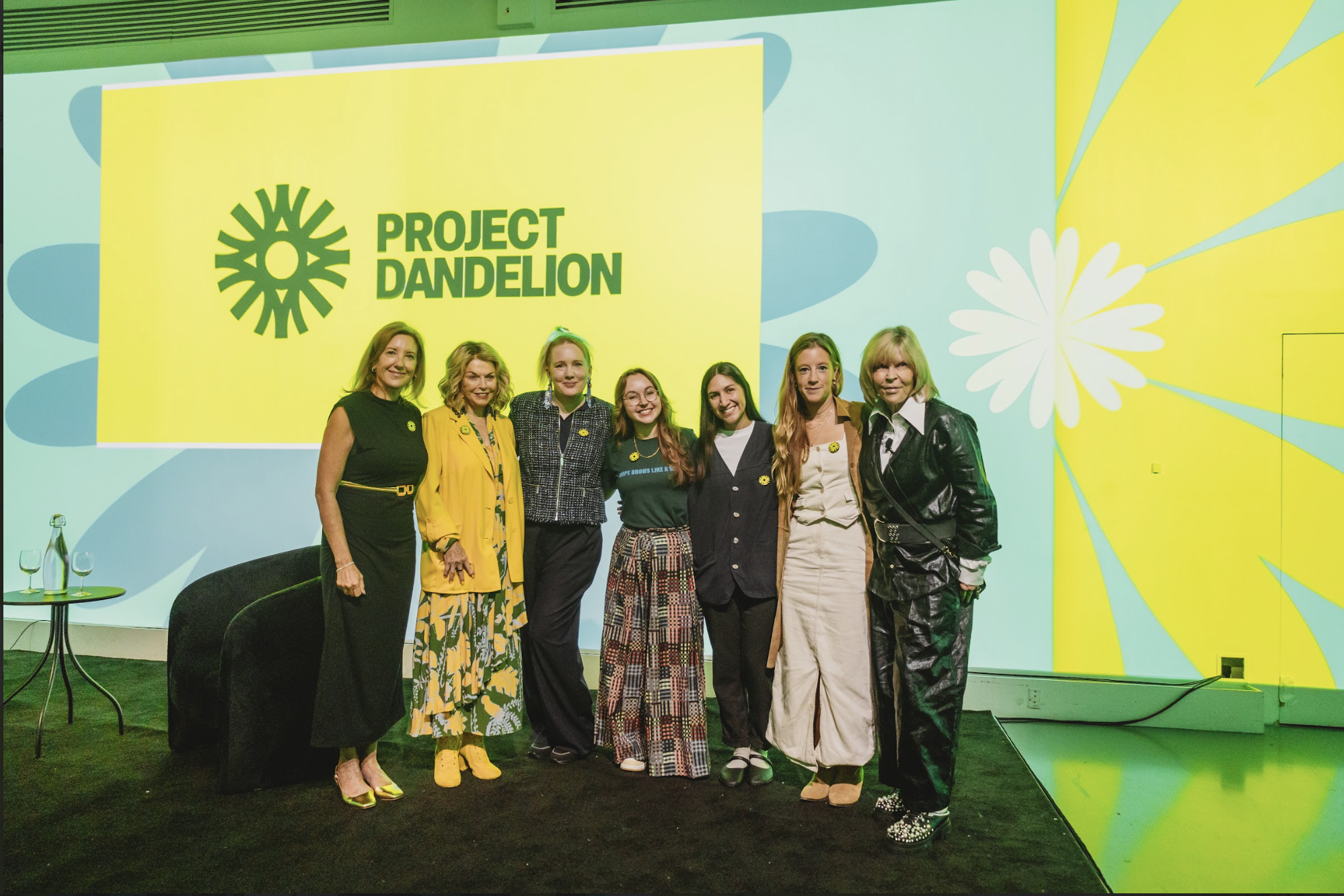
Project Dandelion will be on the ground in New York, joining hundreds of organizations committed to listening, learning, and collaborating. Together with our partners, we are committed to shine a light on one of the most powerful levers of change: women’s leadership. The evidence is clear — when women lead, whether in government, business, or climate organizations, the environmental policies are stronger, the communities are healthier, and the businesses are more sustainable. We will be convening an important cohort of women leaders on Sunday with The Rockefeller Foundation, putting forward the provocation to explore what becomes possible when ancestral wisdom meets intergenerational imagination and when feminist leadership lights the path forward.

If you are in New York for Climate Week, we are hosting something a little different, Dandelions in the Field on Monday September 22 from 12:00-3:00pm at the Bryant Park Center Lawn.

Think of it as a pause in the middle of the whirlwind that is Climate Week. Bring your lunch, grab a flag, and come meet the Dandelion team. We’ll step out of the noise together, if only for a little while, to breathe, to connect, and to remember why we do this work.

In my experience, it’s in these quieter moments — when we allow ourselves to rest and gather strength — that we find the courage and creativity to keep going. The more urgent the crisis, the more essential our pause to activate the solidarity that a connected community requires.

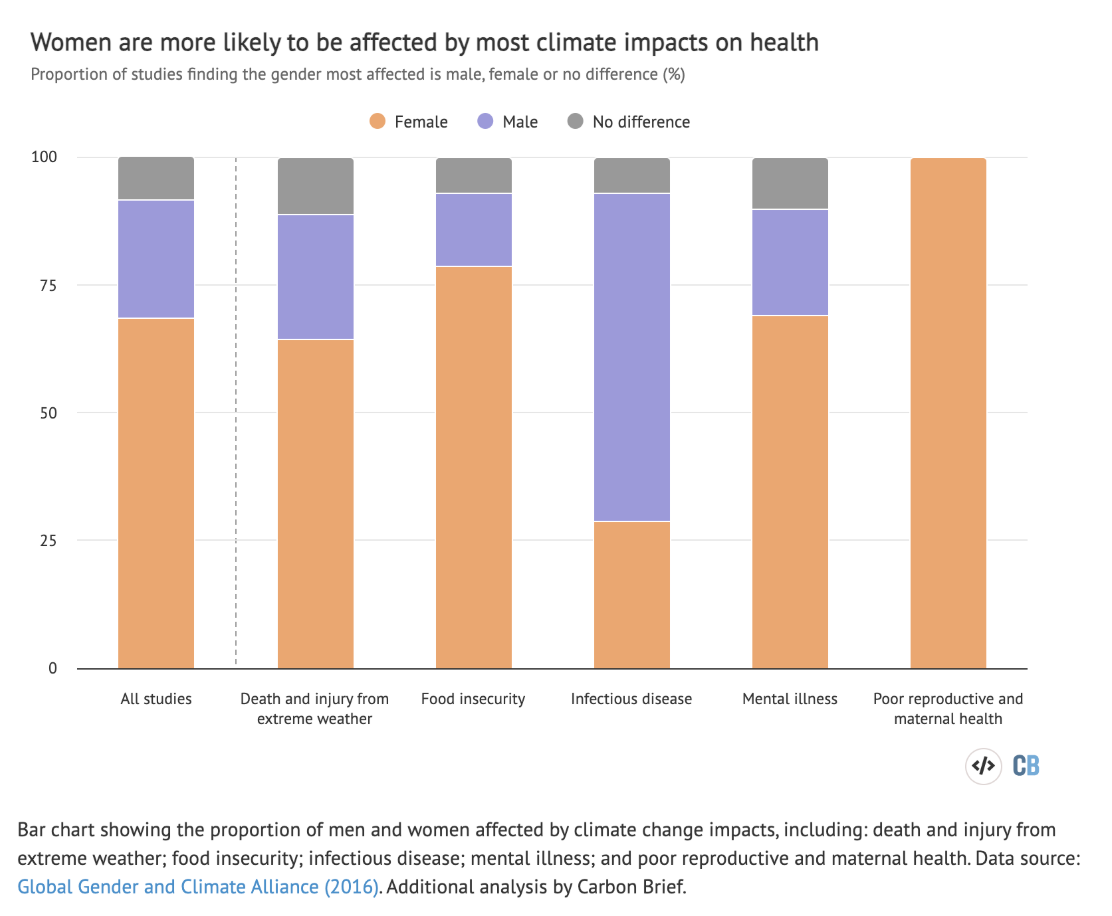
Experience has shown us that the more urgent the crisis, the more exhausted leaders — especially women — can become. After all, women activists/advocates/leaders are almost always also carrying the responsibilities of family and home, as they are also the ones that show up in every room, try to hold every line, and in most communities and in a substantial majority of nature and climate organizations, design strategies for a more sustainable future while coping with a lack of a strategy to sustain our own resilience. The urgency of Climate Week highlights the very reason why spaces of rest and regeneration are not indulgences, but necessities especially since the health impacts from a changing climate are also felt disproportionately by women everywhere.

As my co-founder and Project Dandelion Executive Director Ronda Carnegie recently wrote, “The climate crisis is reshaping global health, and women are on the frontlines of both impact and innovation. As extreme heat, disease patterns, and food insecurity escalate, women’s health and livelihoods are disproportionately at risk. At the same time, women are delivering care, innovating delivery models, and quietly reengineering community-based systems. Their contributions are catalytic.”

A study from the NIH further backs up Ronda’s words, finding that “it is crucial to develop programs aimed at mitigating climate related health risks for women. Their well-being is inseparable from the well being of the planet, and leadership is essential to any just and sustainable future.”

In response, Project Dandelion is launching a Health-Resilient Advisory Council. By bringing together health leaders, we will assess where to focus our health related campaigns and initiatives to best determine how Project Dandelion can support the work of our partner organizations who are effectively engaged in addressing the challenges of health-related impacts and the need to strengthen climate resilient initiatives everywhere.  

Becoming more resilient and more prepared for these intersectional challenges requires us to shift our thinking about rest, restoration, and regenerative practices for ourselves as well as for the planet. In a world that too often equates worth with productivity — and in activist spaces that can sometimes mimic the urgency of the systems we’re trying to dismantle — rest becomes more than self-care. It becomes political. Especially for women. Especially for those of us who have been conditioned to believe that we must earn our right to pause and rest, for some personal attention to the subject of resilience and restoration for body and spirit.

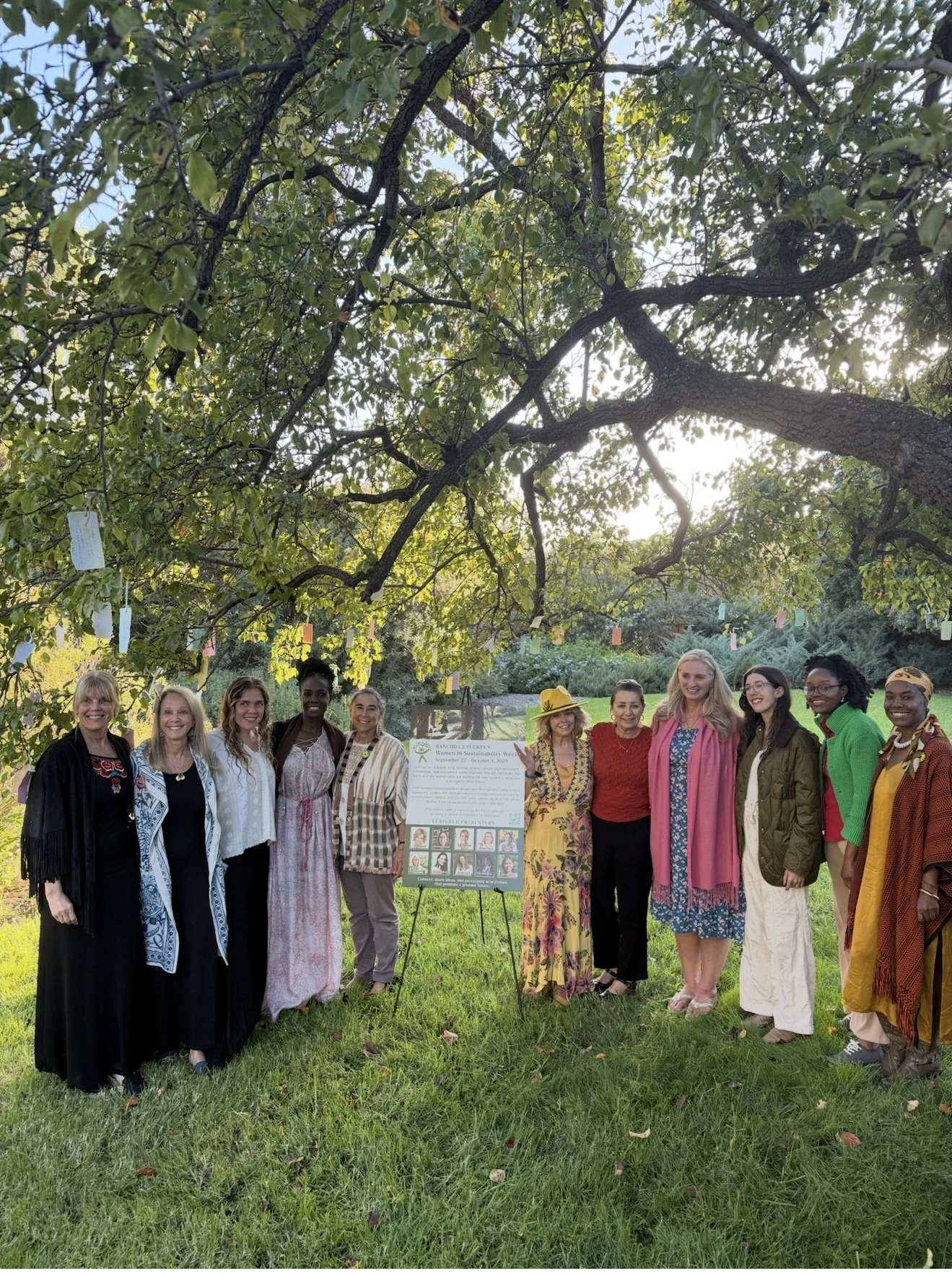
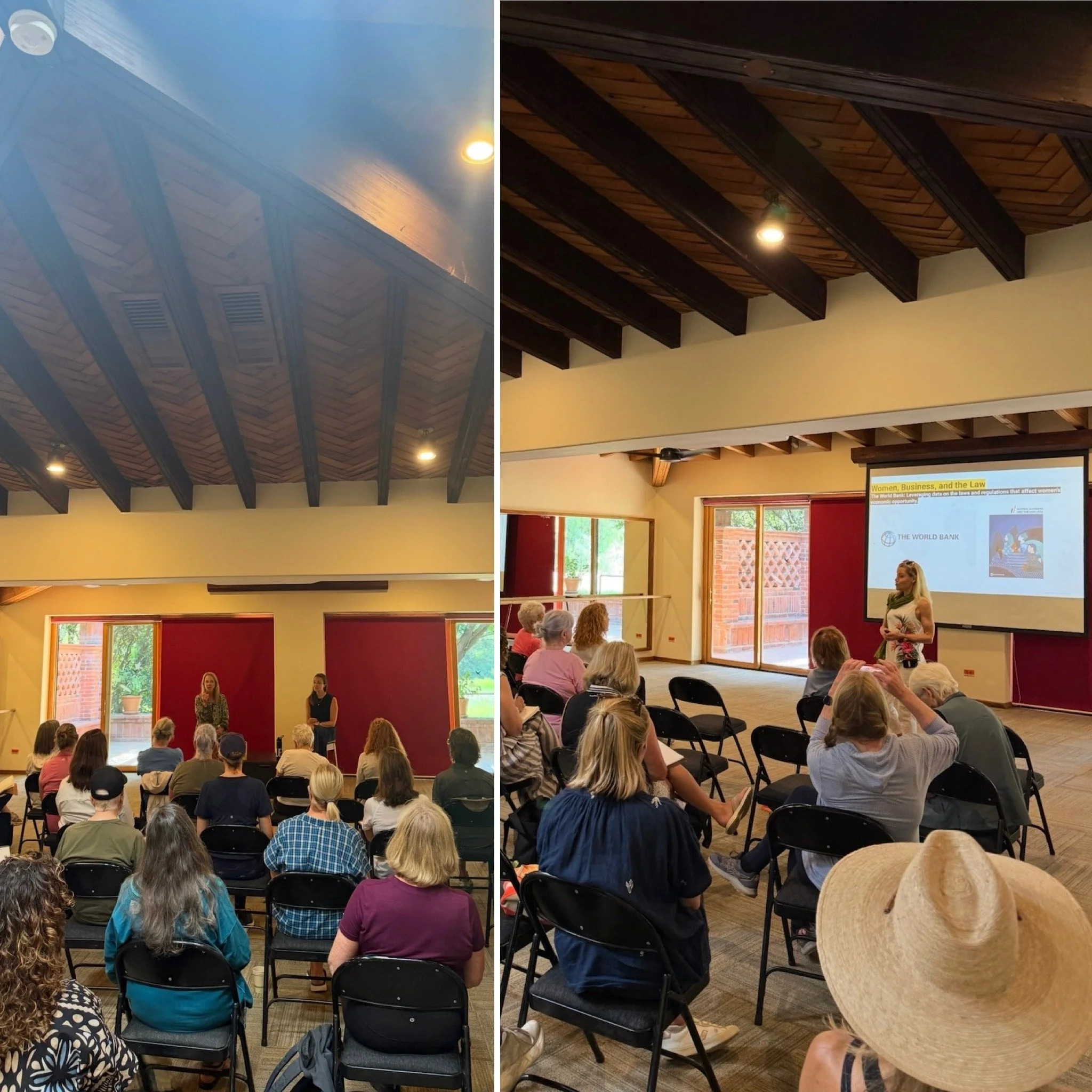
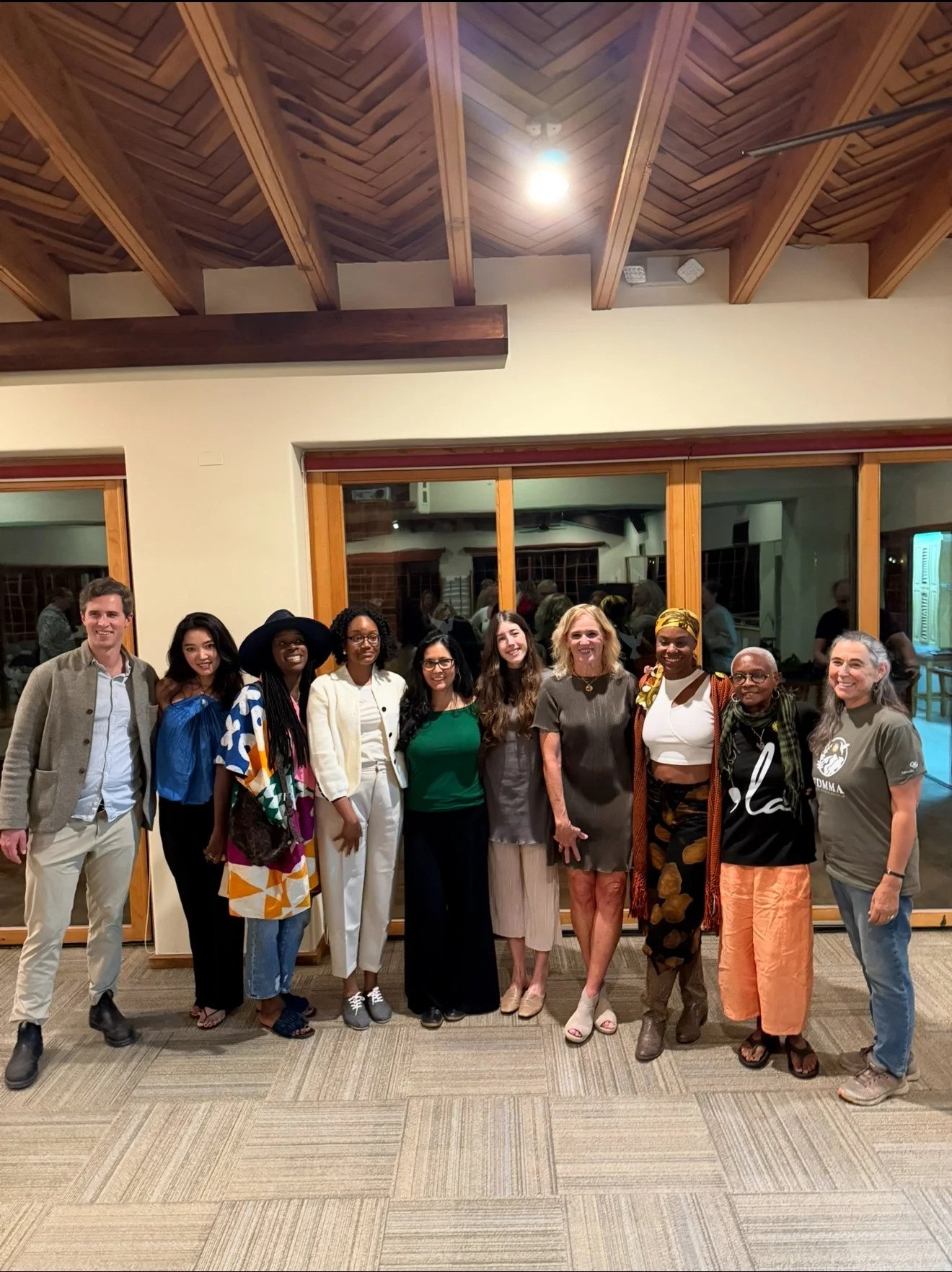
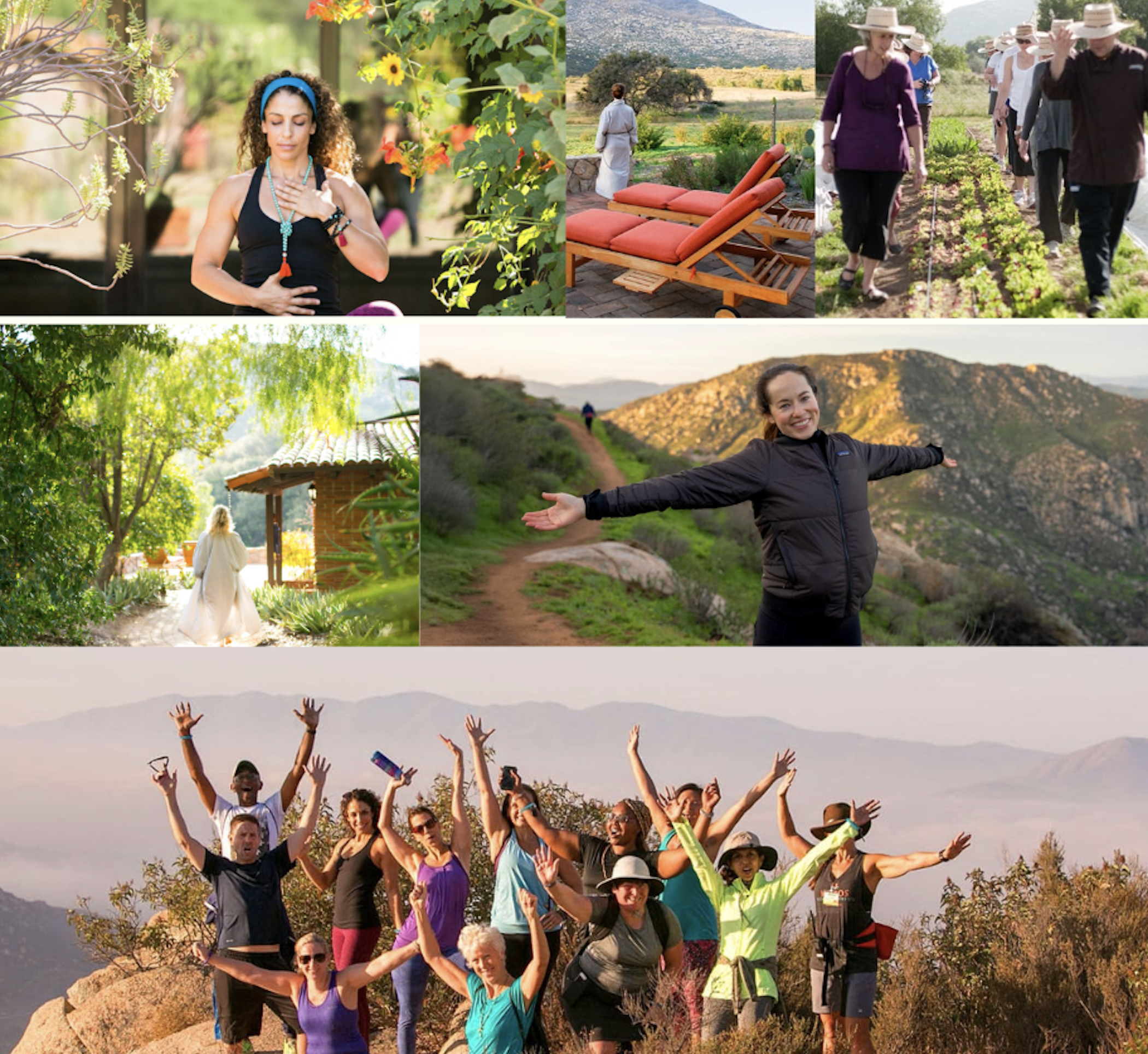
One opportunity came to us to do just that when invited to help curate the first Women in Sustainability Week at Rancho La Puerta.

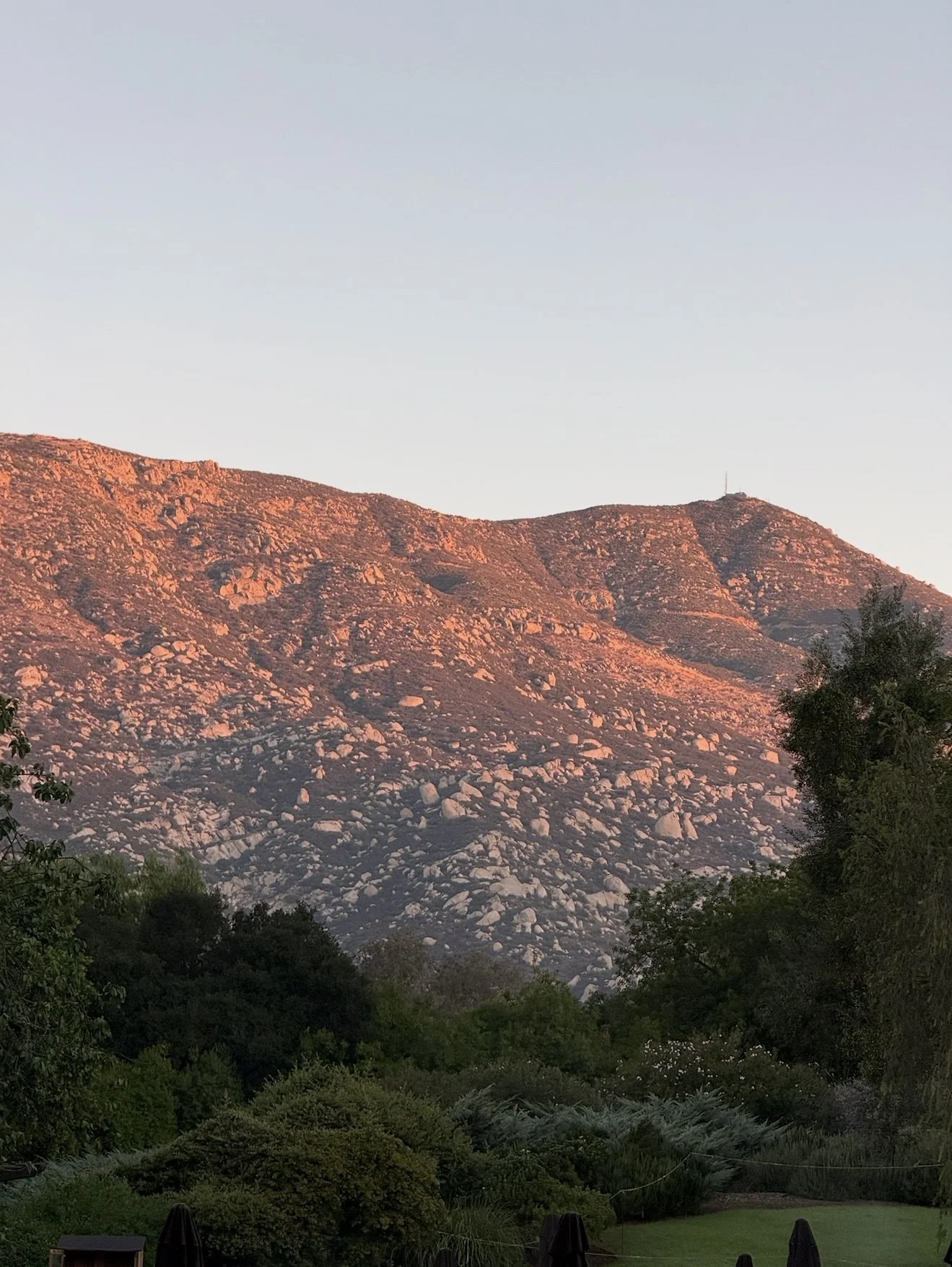
With the permission of founder and owner Sarah Livia Brightwood Szekely, and her 103-year-old mother, Deborah, who still engages Rancho guests every week in conversation, I’m sharing this information and invitation in case there are others among you, reading this now, (open to all genders) who may feel the need for this kind of restorative week and who can take advantage of the special opportunity. Very few spaces remain, but in the spirit of sharing something we all need — opportunities for rest and restoration — I feel fortunate to extend the invitation to join us in a beautiful natural environment in northern Mexico‘s Sierra Madre mountains just 15 minutes from San Diego.

Mother Nature models why this matters. There is power in a pause. Seasons shift. Trees go bare. Soil is regenerated by time without seeding, so why shouldn’t we? At Project Dandelion, we believe the answers to our biggest planetary crises will come not only from bold policies and breakthrough technologies, but from cultural shifts — especially those that center care, community, compassion, and the leadership of women.

We know that women are driving climate solutions around the globe. We also know too many of them are running on empty. And if we are serious about changing the world, we must be serious about protecting the well-being of those doing the work. That means building movements that value care as much as courage. That means reclaiming rest — not as a luxury, but as a necessity.

This is one of the core truths we’re bringing into the work of Project Dandelion — that a regenerative world must begin with regenerative people as well as practices. We cannot build sustainable systems on unsustainable lives.

Onward!

- Pat
P.S. Forwarded this newsletter and find it informative? Subscribe here

P.P.S. If you enjoy this newsletter, consider sharing it with friends and family!

Defunding Public Media Is an Indefensible Decision

For me and the millions of other Americans who understand the connection between their local PBS and NPR stations and access to local news and sometimes life saving information; who value the outstanding dramas, the important documentaries, the educational and safe children’s programs; and who recognize the negative impact of their loss on communities and on our democracy, this is an indefensible decision.

Read More

It’s time for reflection, for restoration, and for inspiring reading

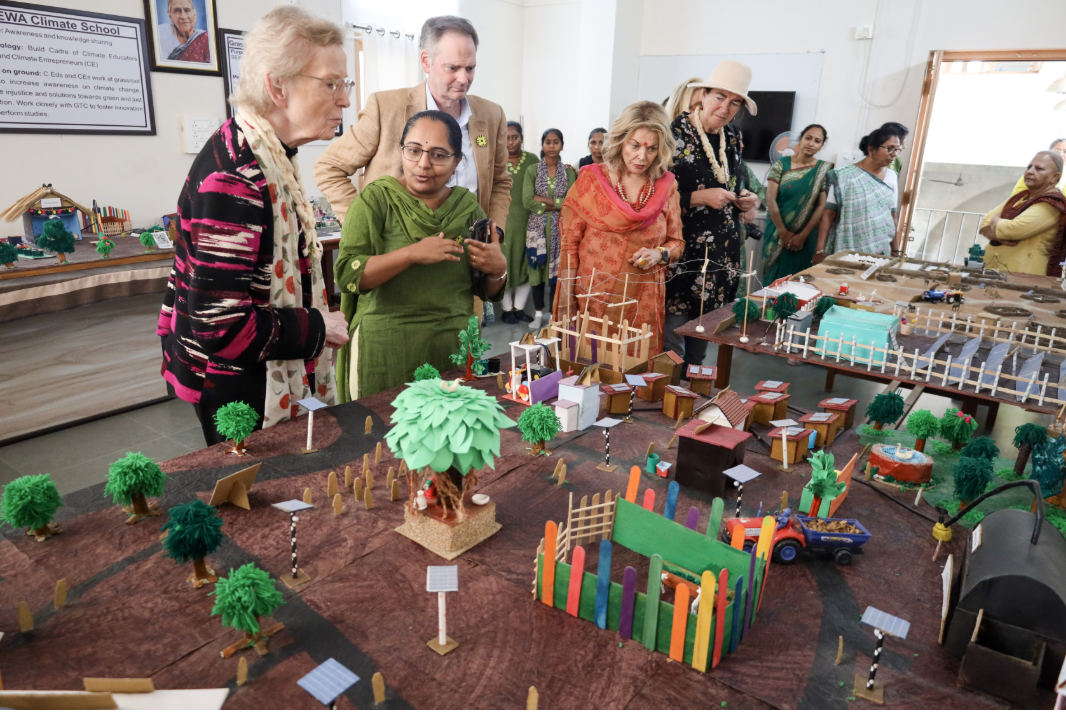
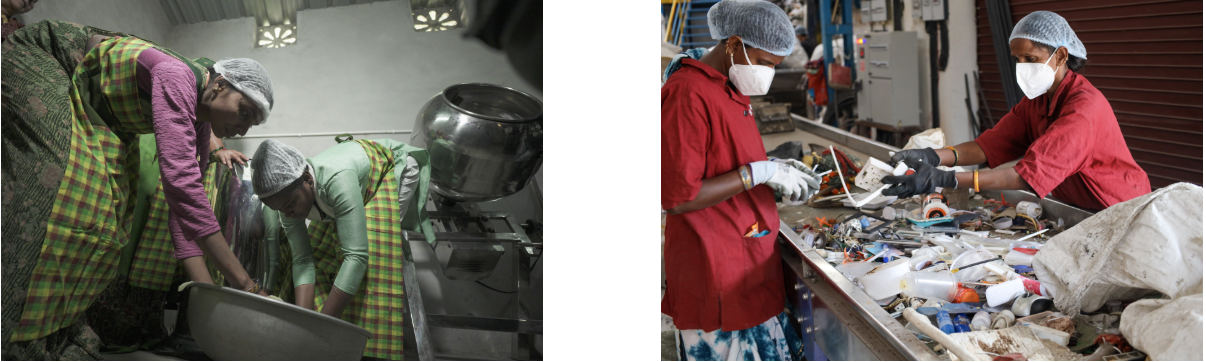
It’s become a tradition to recommend reading each July, and this summer, the challenge was making choices as there are so many new books to suggest. I have chosen to focus this summer’s reading list on women authors (no surprise there) and books that offer new perspectives on the nature and climate emergency being felt by each of us.
Read More

Celebrating the Life and Work of Bill Moyers on the Fourth of July

Throughout his award winning, groundbreaking lifetime of work as a courageous journalist, author, and advocate for our democracy, Bill Moyers inspired us to be steadfast in defending the freedoms specifically guaranteed in the Declaration of Independence while also recognizing that our democracy and its founding documents and principles created a far from perfect union.
Read More

Leading Like Everything Is Connected — Because It Is

As friends, family, and faithful readers know, I believe that braver and bolder leaders are needed now more than ever. With the accelerating climate crisis, the violent conflicts with enormous loss of lives in so many places, widening inequality, rising authoritarianism, and the ongoing degradation of nature, the question before us is how will each of us, individually and collectively, lead forward?

Read More

Choose Women!

Contemporary culture and history have taught us how deeply women have internalized the patriarchy—how we unwittingly reinforce it by constantly choosing men when we could choose women. Is your doctor, lawyer, pilot, guide, ranger, travel advisor, chef, or OBGYN a woman? Are you making these choices consciously, so our daughters and granddaughters can inherit a more equitable world? How do we break free and discover the integrity and wholeness we seek if we don’t start by choosing one another?

Read More

The Resistance Is Here

Democracy is not something we have, it's something we do. Now is the time for all of us to practice democracy daily — by staying informed; talking with our friends, coworkers and family members; calling our representatives; and showing up at meetings, rallies and events.

Read More